
























Key Developments
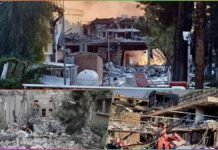
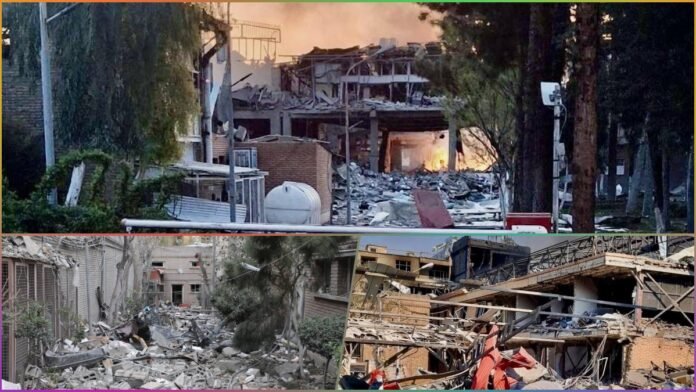
- Medical Landmark Destroyed: The 106-year-old Pasteur Institute, a vital member of the was reportedly reduced to rubble.
- Humanitarian Violation: Iranian officials labeled the strike a breach of the Geneva Conventions and an assault on “basic human core values.”
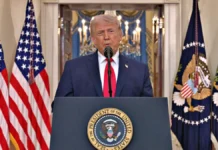
- Trump’s Ultimatum: The attack occurred hours after President Donald Trump vowed to hit Iran “extremely hard” to finish the military campaign within three weeks.
- Retaliatory Strikes: Iran has launched fresh missile salvos toward Israel and targeted U.S.-linked industrial facilities in Gulf nations in response.
- Global Health Appeal: Tehran has officially requested the WHO and ICRC to investigate the damage and assist in reconstructing the research hub.
On Thursday, April 2, 2026, the 34th day of the escalating conflict between Iran and the U.S.-Israel alliance, Iran’s Ministry of Health announced the destruction of the Pasteur Institute in Tehran. Established in 1920, the institute has served for over a century as the backbone of Iran’s medical research, vaccine production, and pharmaceutical development.
Hossein Kermanpour, spokesperson for the Health Ministry, shared devastating images of the smoldering ruins on social media, describing the incident as a “direct assault on the global health system,” because the institute is a critical node in international disease prevention. Foreign Ministry spokesperson Esmaeil Baqaei echoed these sentiments, characterizing the strike as a “heartbreaking and despicable” act that goes beyond conventional warfare. The Iranian government has now appealed to the World Health Organization (WHO) and the International Committee of the Red Cross (ICRC) to conduct an immediate assessment of the site.
Escalation Following Trump’s National Address
The strike on the scientific facility follows a high-stakes prime-time address by U.S. President Donald Trump on Wednesday night. Trump asserted that the U.S. military has nearly annihilated the Iranian military’s core capabilities, including its navy and air force. He warned that American forces would “finish the job” by striking Iran with unprecedented intensity over the next two to three weeks, specifically targeting infrastructure that sustains the regime’s nuclear and military ambitions.
While Trump claimed victory was imminent, the reality on the ground remains volatile. Immediately following the President’s speech, the Israeli military reported activating air defense systems to intercept a fresh barrage of Iranian missiles. Additionally, the Iranian Revolutionary Guards confirmed targeting steel and aluminum facilities in neighboring Gulf states linked to U.S. interests, signaling that the conflict has shifted from purely military targets to vital economic and scientific infrastructure.
Leadership Crisis and Diplomatic Stagnation
The destruction of the Pasteur Institute marks another significant blow to Iran’s institutional stability since joint military operations began on February 28. The conflict has already seen the loss of several top-ranking political and military figures, creating a power vacuum during one of the country’s most critical periods.
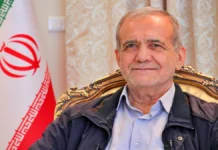
Despite the violence, President Masoud Pezeshkian issued a measured statement clarifying that Iran harbors no animosity toward the ordinary citizens of the West or its neighbors. However, he maintained a firm stance on national sovereignty, rejecting what Tehran calls “maximalist and irrational” demands from Washington. With oil prices surging past $105 and global supply chains in disarray, the targeting of a world-renowned medical research center has brought international legal principles to a critical juncture, raising questions about the future of humanitarian protections in modern warfare.