





























Key Points
- IRGC Claims: Iran’s Revolutionary Guards assert they successfully targeted the Israeli Prime Minister’s office and the Air Force Commander’s residence.
- Operation True Promise 4: The strikes are part of Tehran’s 10th retaliatory wave following the assassination of Supreme Leader Ali Khamenei on February 28.
- Israel’s Denial: Jerusalem has categorically rejected the reports, stating no such hits occurred and labeling the claims as baseline propaganda.
- High Alert: Security has been tightened across Israel’s government district as the broader “Operation Epic Fury” conflict reaches a fever pitch.
- Unconfirmed Status: While Iran claims “significant success” in hitting the government complex, no independent verification of damage to the Prime Minister’s compound has been released.
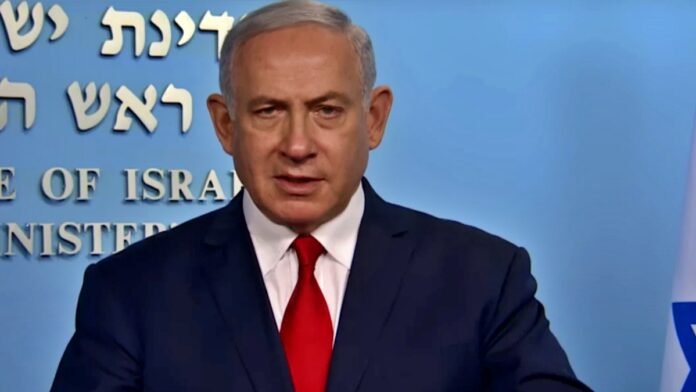
Amid the rapidly expanding military confrontation in the Middle East, the Islamic Revolutionary Guard Corps (IRGC) issued a provocative statement on Monday, March 2, 2026, claiming a direct hit on the heart of the Israeli government. Under the banner of “Operation True Promise 4,” Tehran asserts that a surprise salvo of Kheybar ballistic missiles successfully targeted the office of Prime Minister Benjamin Netanyahu in Jerusalem.
The IRGC characterized the strike as a “just response” to the joint U.S., Israeli air campaign that recently decapitated Iran’s top leadership. In addition to the Prime Minister’s office, the Iranian military claimed to have struck the private residence of the Israeli Air Force Commander, suggesting a coordinated effort to paralyze the “Zionist regime’s” command and control structures.
The Battle for Information
Despite the bold assertions from Tehran, the Israeli government has maintained a stance of total denial. Officials in Jerusalem described the Iranian claims as “completely baseless” and a desperate attempt to project strength following the loss of Supreme Leader Ali Khamenei. While air raid sirens have been active across central Israel throughout the day, military spokespeople confirmed that interception systems, including the Arrow and David’s Sling, have remained highly effective against incoming projectiles.
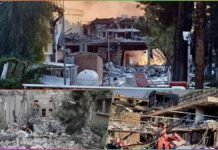
Independent observers and journalists on the ground in Jerusalem have reported no visible damage or smoke rising from the government quarter, further casting doubt on the IRGC’s narrative. Analysts suggest that the claim may be part of a broader psychological warfare strategy intended to sow panic within the Israeli public and satisfy domestic calls for high-profile vengeance.
Strategic Context and Global Risk
The reported strikes come as the region remains engulfed in the “Operation Epic Fury” campaign, authorized by U.S. President Donald Trump to dismantle Iran’s nuclear and missile infrastructure. With Iran now utilizing its 10th wave of missile launches, the conflict has moved far beyond the initial borders of the two primary combatants.
Tensions are at their peak as both nations continue to trade threats of “total annihilation.” While Israel tightens its security cordons around high-ranking officials, Iran has warned that any further “acts of aggression” against its sovereign territory will result in even more daring strikes against what they term the “criminal leadership” of its enemies. As of Monday evening, the fate of the regional security landscape remains precarious, with the international community bracing for the next phase of this unprecedented military exchange.