




























Key Points
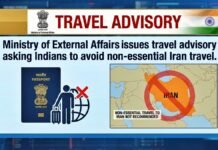
- Iran closed airspace indefinitely, all commercial flights banned except diplomatic missions
- Air India canceled multiple long-haul flights, others face 2-4 hour delays
- IndiGo offers free rebooking and full refunds for affected international routes
- Flight times increased by up to 4 hours, ticket prices may surge 15-20%
- US begins evacuating military personnel from Middle East bases
Air India announced via social media that all flights traversing Iranian airspace have been immediately rerouted for security reasons. The airline canceled long-haul services where alternative routes proved non-viable, particularly direct flights to London, Frankfurt, and Chicago that typically overfly Iran. Passengers must check flight status on the online portal before airport arrival, as call centers face unprecedented volume.
IndiGo, which operates flights to Istanbul, Tbilisi, and Baku, confirmed several international services are directly impacted. The airline activated flexible rebooking and full refund options through its official website, urging passengers to remain patient as the situation develops beyond airline control.
Security Concerns Drive Restrictions
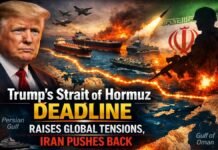
Iran’s Civil Aviation Organization closed airspace indefinitely, citing “regional security threats” after US intelligence warned of imminent Iranian missile tests near the Strait of Hormuz. The restriction, initially announced for 48 hours, remains extendable based on threat assessments. Only flights with special diplomatic clearance, primarily US State Department evacuation aircraft and UN humanitarian missions, receive entry permits.
The US Federal Aviation Administration had already prohibited American carriers from Iranian airspace since 2019, but the latest closure affects all international operators. Emirates, Qatar Airways, and Turkish Airlines have also suspended Iran overflights, creating congestion on alternative routes over Saudi Arabia and Egypt.
Military Tensions Escalate
The crisis stems from renewed US-Iran confrontation after satellite imagery revealed the Iranian Revolutionary Guard Corps mobilizing missile batteries along the Persian Gulf coast. President Donald Trump warned of “severe consequences” if Iran threatens US assets, while Tehran vowed “immediate retaliation” against any aggression. The US has begun withdrawing non-essential personnel from bases in Qatar, Kuwait, and the UAE, heightening fears of direct military engagement.
Iranian officials reportedly warned neighboring Gulf states that any base used for US attacks would face Iranian strikes, prompting Saudi Arabia and Oman to deny US overflight permissions for offensive operations.
Passenger Impact and Costs
Aviation experts estimate rerouting flights via southern routes over Saudi Arabia and the Red Sea adds 2-4 hours to journey times and increases fuel consumption by 15-20%. This could raise ticket prices by ₹8,000-15,000 for economy passengers on Europe and North America routes. Air India Express flights to Dubai and Sharjah remain unaffected as they use alternative air corridors.
Travelers should expect cascading delays across connecting flights in Europe and North America. Airlines are not compensating for “extraordinary circumstances” beyond their control, though EU regulations may require compensation for flights departing from European airports.
Alternative Routes and Future Outlook
The crisis mirrors the 2020 airspace closures during US-Iran tensions, which cost global airlines $500 million in additional fuel and operational expenses. Industry analysts predict the closure could last 1-2 weeks if diplomatic channels fail to de-escalate tensions. The International Air Transport Association has convened an emergency meeting with Iranian authorities to negotiate safe corridors for civilian traffic.
Passengers are advised to monitor airline websites rather than call centers, as online platforms provide real-time updates. Travel insurance policies may cover additional accommodation costs if flights are canceled, but most exclude coverage for “war and terrorism” clauses.