





























Key Points:
- More than 150 people affected by contaminated water in Bhagirathpura since December 24
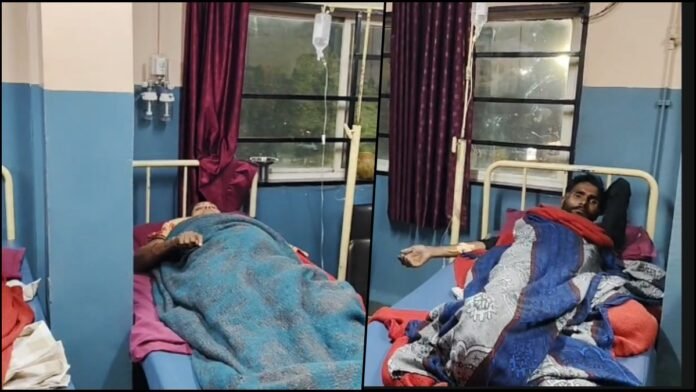
- 35+ people hospitalized on Monday with vomiting, diarrhea, and stomach pain
- All patients currently in stable condition across various hospitals
- Minister Kailash Vijayvargiya, MLA Ramesh Mendola, and Mayor Pushyamitra Bhargava visited victims
- Problem traced to water supply contamination in the area
- Residents advised to boil water and avoid direct tap water consumption
- Municipal corporation and health department teams monitoring the situation
The water contamination crisis erupted in Bhagirathpura, a densely populated residential area in Indore, when residents began experiencing severe gastrointestinal symptoms shortly after consuming municipal water. On Monday alone, more than 35 people required emergency medical attention, overwhelming local clinics and forcing admissions to multiple hospitals, including MY Hospital, Bombay Hospital, and private medical facilities. Symptoms reported include persistent vomiting, acute diarrhea, severe abdominal pain, and nausea, consistent with bacterial contamination of the water supply.
Local residents claim the problem has been building since December 24, when they first noticed a foul smell and discoloration in their tap water. Despite complaints to the municipal corporation, the issue escalated, affecting approximately 150 people across 200 households in the neighborhood. The incident has caused widespread panic, with many families now relying on packaged drinking water or traveling to relatives’ homes in other parts of the city.
Official Response and Hospital Visits
Recognizing the gravity of the public health emergency, Urban Development Minister Kailash Vijayvargiya rushed to MY Hospital late Monday night, accompanied by Indore-1 MLA Ramesh Mendola and Mayor Pushyamitra Bhargava. The minister spent over two hours meeting with patients and their families, personally reviewing medical charts and speaking with attending physicians. He assured victims that the government would cover all medical expenses and provide additional support if needed.
During his visit, Vijayvargiya directed hospital administrators to ensure adequate staffing and supplies, emphasizing that no patient should face any shortage of medicines or care. He also instructed the health department to set up a dedicated helpline for affected residents and to deploy mobile medical units to Bhagirathpura for door-to-door health check-ups.
Investigation into Water Supply Failure
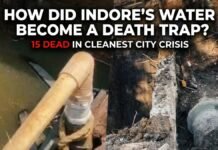
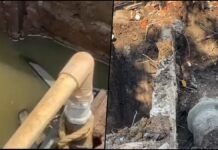
Minister Vijayvargiya announced a comprehensive investigation to determine how the water supply became contaminated in a city that has proudly held the title of India’s cleanest city for seven consecutive years. Preliminary assessments suggest a possible breach in the old water pipeline network, which may have allowed sewage to mix with drinking water during recent maintenance work. The 40-year-old pipes in Bhagirathpura are particularly susceptible to cracks and leaks.
The municipal corporation has formed a three-member technical committee to examine the entire water distribution system in the area. This team will test water samples from multiple points, inspect pipeline integrity, and review maintenance records from the past month. The minister promised strict action against any officials found negligent in their duties, stating that public health cannot be compromised.
Health Department’s Emergency Measures
The health department has activated its rapid response team, which is conducting surveillance throughout Bhagirathpura and surrounding localities. Medical officers are collecting stool samples from patients to identify the specific pathogen responsible, results are expected within 48 hours. The department has also distributed chlorine tablets to households for water disinfection and posted health workers at community taps to monitor water quality.
Epidemiologists warn that without immediate intervention, the outbreak could spread to adjacent areas served by the same water network. They have identified high-risk groups including children under five, elderly residents, and people with compromised immune systems. The administration has set up a temporary health camp in a local school to provide free consultations and medicines.
Community Precautions and Resident Concerns
Public representatives have launched an intensive awareness campaign, urging Bhagirathpura residents to boil water for at least 20 minutes before drinking and to avoid using tap water for cooking or brushing teeth. The municipal corporation is supplying free tanker water to the area, though residents report inconsistent supply timings. Many have resorted to purchasing expensive packaged water, straining household budgets.
Local resident Ramesh Sharma, whose entire family fell ill, expressed frustration over the delayed response. “We complained four days ago when the water started smelling bad, but no one listened until people started collapsing,” he told reporters. Community leaders are demanding permanent replacement of the aging pipeline infrastructure rather than temporary fixes.
Indore’s Infrastructure Challenges
This incident casts a shadow over Indore’s reputation as India’s cleanest city, highlighting the gap between surface cleanliness and core infrastructure quality. While the city excels in waste management and sanitation, its water supply system suffers from decades of underinvestment. The municipal corporation manages 1,800 kilometers of water pipelines, many dating back to the 1980s, with frequent leakage rates exceeding 30%.
Urban planning experts note that rapid population growth in areas like Bhagirathpura has strained existing infrastructure beyond capacity. The water supply department treats water at modern plants, but contamination often occurs during distribution through corroded pipes. This outbreak may force a reevaluation of priorities, pushing authorities to invest more in underground infrastructure rather than visible beautification projects.
Future Safeguards and Policy Changes
Minister Vijayvargiya announced immediate and long-term measures to prevent recurrence. Short-term actions include daily water quality testing at 50 locations across Indore, emergency repairs to identified leak points, and installation of temporary water purification units in Bhagirathpura. The administration is also distributing free water storage containers to families.
Long-term plans involve a ₹150 crore project to replace 100 kilometers of the oldest pipelines in the city, starting with vulnerable areas like Bhagirathpura. The project includes smart water meters and sensors to detect contamination in real-time. Additionally, the government will mandate quarterly health audits of water supply systems and create a citizen complaint redressal mechanism with a 24-hour response guarantee.