






























Key Points:
- Ministry of External Affairs issues travel advisory asking Indians to avoid non-essential Iran travel
- Indian citizens in Iran advised to stay away from protests, rallies, and crowded areas
- MEA urges registration with Indian Embassy in Tehran for emergency contact purposes
- Large-scale protests erupt across Iranian cities over rapid rial depreciation
- Violent clashes between security forces and protesters reported in multiple provinces
- Trump warns of strong US reaction if Iranian government resorts to violence against protesters
- US President says all options are being considered, monitoring developments continuously
- Advisory comes amid Trump’s tough stance and escalating international tensions
The Indian government has issued a significant travel advisory, prioritizing the safety of its citizens amid Iran’s deteriorating political and social situation. The Ministry of External Affairs (MEA) has clearly stated that Indian citizens should avoid non-essential travel to Iran until further notice. The official statement appeals to Indian citizens and people of Indian origin residing in Iran to exercise utmost caution in their daily activities.
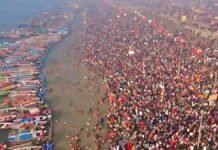
The ministry has specifically advised them to stay away from any protests, rallies, or crowded areas and to follow instructions issued by local authorities. Indian citizens have also been advised to regularly monitor information released on the website and social media handles of the Indian Embassy in Tehran. The MEA has clarified that Indian citizens residing in Iran on resident visas who have not yet registered with the embassy should register immediately so they can be contacted in case of an emergency. This registration process is crucial for the embassy to maintain communication channels and provide assistance during critical situations.
Escalating Protests and Violence in Iran
Large-scale protests are taking place in several Iranian cities against the rapid depreciation of the national currency, the rial. The Iranian rial has lost significant value against major currencies, triggering economic hardship for ordinary citizens. During these protests, violent clashes have occurred between security forces and protesters in many places. According to media reports, there have also been reports of deaths during these clashes in various provinces of Iran, making the situation even more volatile.
The protests have spread to multiple cities, including Tehran, Isfahan, and Shiraz, with demonstrators demanding government action to stabilize the economy and control inflation. Iranian security forces have responded with tear gas, water cannons, and in some cases, live ammunition. The death toll remains unconfirmed, but social media videos show chaotic scenes of confrontations between unarmed protesters and heavily armed riot police. The situation has created a highly unpredictable environment for foreign nationals, prompting several countries besides India to reconsider their travel advisories.
Trump’s Stern Warning to Tehran
US President Donald Trump has adopted a tough stance on Iran, warning of potential American intervention if the Iranian government continues its violent suppression of protests. While speaking to the media on Air Force One on his way back to the White House from Mar-a-Lago in Florida, Trump was asked about the deaths of protesters in Iran. In response, Trump said that they are closely monitoring the situation.
He warned that if the Iranian government resorted to violence to suppress the protests and kill citizens, there could be a strong reaction from the United States. Trump did not specify what form the US response would take, nor did he give a timeline for any potential military or economic action. He reiterated that the US is considering all options and is continuously monitoring the developments in Iran. This ambiguous but threatening posture has raised concerns about potential US military involvement in the region.
International Implications and Indian Citizens’ Safety
Amidst the escalating tensions in Iran and international reactions, India’s advice is considered crucial for the safety of Indian citizens. Approximately 8,000 Indian nationals reside in Iran, including professionals, students, and business persons. The Indian Embassy in Tehran has established a 24-hour helpline and is conducting regular check-ins with registered citizens. The embassy is also working with Iranian authorities to ensure the safety of Indian community members and has requested additional security for areas where Indians reside.
The convergence of internal Iranian instability and Trump’s threatening rhetoric creates a volatile situation that could deteriorate rapidly. Indian diplomatic sources indicate they are prepared for emergency evacuation if the situation worsens significantly, though no such plans are currently active. The MEA’s proactive advisory reflects lessons learned from previous crises in the Middle East, where delayed warnings left Indian citizens vulnerable during sudden escalations.