

























Key Highlights
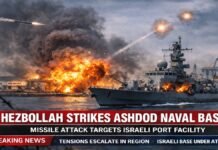
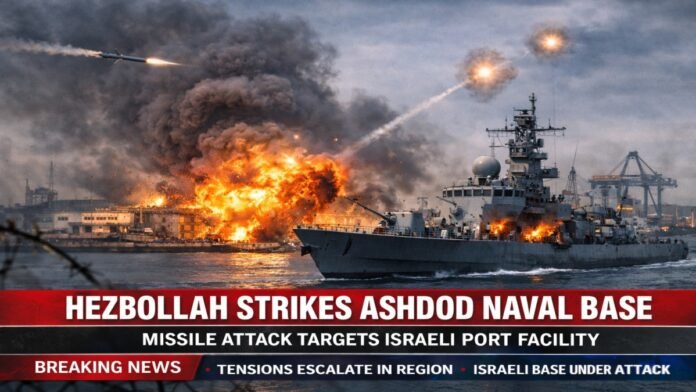
- Strategic Strike: Hezbollah fired “qualitative missiles” at the Ashdod naval base, approximately 120 kilometers from the border, marking a significant escalation in reach.
- Retaliatory Action: The attack was a response to Wednesday’s Israeli airstrikes that killed 303 people and injured over 1,150 across Lebanon.
- Islamabad Summit: The strike coincided with the arrival of U.S. and Iranian delegations in Pakistan for a critical two-week ceasefire negotiation.
- Diplomatic Rift: Israel maintains that the US-Iran truce does not apply to Lebanon, a stance fiercely contested by Tehran and Islamabad.
- Casualty Toll: The Lebanese Ministry of Health reports the total death toll since March 2 has now reached 1,888.
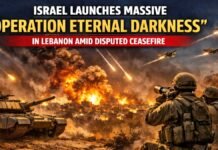
In a sharp escalation of hostilities, Hezbollah launched a targeted missile attack on the Ashdod naval base in southern Israel at approximately 1:00 AM on Friday, April 10, 2026. The Islamic Resistance in Lebanon confirmed the use of “advanced tactical missiles” in the operation, which represents one of the deepest strikes into Israeli territory since the conflict intensified. While the IDF reported that at least one missile was intercepted and no immediate casualties were confirmed at the base, the strike triggered sirens across central Israel and caused temporary flight disruptions at Ben Gurion Airport.
Hezbollah’s military media stated the operation was a direct response to the “bloody criminality” witnessed on Wednesday, when a series of more than 100 Israeli airstrikes decimated residential areas and infrastructure across Lebanon. The group warned that its operations would continue as long as the “Israeli, American aggression” persists, regardless of the temporary truce established between Washington and Tehran.
Humanitarian Crisis and the “Wednesday Massacre”
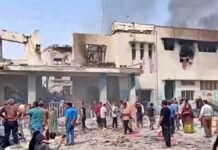
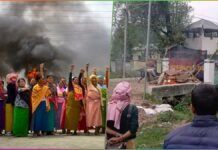
The strike on Ashdod follows the deadliest day of the conflict since March. The Lebanese Ministry of Public Health confirmed on Thursday that the death toll from Wednesday’s bombardments has risen to 303, with over 1,150 individuals wounded. Search and rescue teams are still working through the rubble in southern Lebanon and Beirut, using DNA testing to identify victims.
This surge in violence has placed the newly enacted two-week ceasefire on fragile ground. While U.S. President Donald Trump and Iranian officials agreed to a temporary suspension of direct hostilities on Wednesday, the exclusion of Lebanon from the deal has created a volatile “gray zone.” Hezbollah Chief Naim Qassem has urged the Lebanese government to remain firm, stating that the resistance will not accept a return to the status quo or provide “free concessions” while the capital remains under fire.
Islamabad Peace Talks Under Shadow of Escalation
As the smoke clears in Ashdod, diplomatic focus shifts to Islamabad, Pakistan, where the first formal round of peace talks is scheduled to begin today. U.S. Vice President JD Vance departed Joint Base Andrews early Friday, expressing a mix of hope and caution. Vance noted that while the U.S. is “willing to extend the open hand,” they remain prepared for a firm response if the negotiating team feels the truce is being used as a tactical delay.
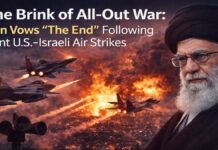
The primary friction point remains the scope of the agreement. Iran has explicitly stated that Lebanon is an “inseparable” part of the peace framework, a view supported by the Pakistani mediators. Conversely, the Israeli government has reiterated that its operations to neutralize Hezbollah threats will continue independently of the US-Iran agreement. With the Strait of Hormuz’s reopening tied to the success of these talks, the international community is watching closely to see if the Islamabad summit can survive this latest round of kinetic escalation.