


























Key Highlights
- Casualty Milestone: Hospital records indicate 31 deaths on Saturday, bringing the total fatalities since the October 10 ceasefire to over 550.
- Civilians Targeted: Strikes hit a residential apartment in Gaza City and a displacement camp in Khan Younis, wiping out multiple generations of the same family.
- Institutional Strike: An attack on the Sheikh Radwan police station in Gaza City killed at least 14 people, including officers and inmates.
- Diplomatic Jeopardy: The escalation occurs just as the Rafah crossing was scheduled to reopen as part of Phase 2 of the Trump administration’s peace proposal.
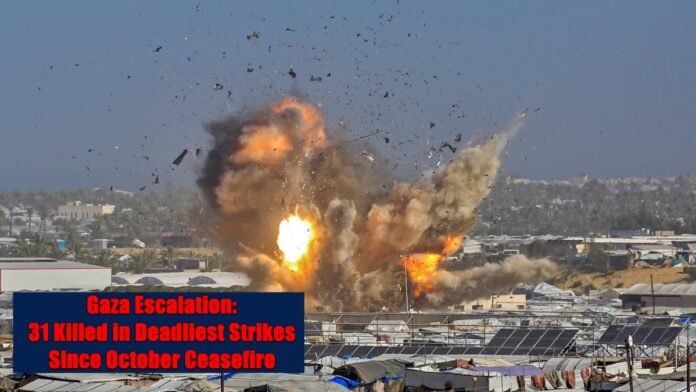
The Gaza Strip witnessed a dramatic and lethal escalation on January 31, 2026, as Israeli warplanes conducted a wave of strikes from Gaza City in the north to Khan Younis in the south. The most devastating impact was felt at a tent camp for displaced persons in Khan Younis, where an airstrike ignited a massive fire. According to Nasser Hospital, seven members of the same family, including a father, his three children, and three grandchildren, were killed in the blaze.
In Gaza City, a strike on a multi,storey apartment building in the Al,Nasr neighborhood claimed the lives of three children, their aunt, and their grandmother. Rescue workers continued to dig through the rubble late into Saturday night, with civil defense officials warning that the death toll could rise as more victims remain missing.
Strike on Sheikh Radwan Police Station
Further compounding the day’s casualties was a direct hit on a police station in western Gaza City. Dr. Mohamed Abu Salmiya, director of Shifa Hospital, confirmed that at least 14 people were killed in this specific raid. The victims included police officers, four of whom were women, civilians in the vicinity, and prisoners being held at the facility.
The Israeli military (IDF) issued a statement justifying the strikes as “retribution” for a ceasefire violation that occurred on Friday. The IDF claimed that its forces intercepted and killed four militants who had emerged from a tunnel in an Israel,controlled area of Rafah, an act they characterized as a “blatant breach” of the existing truce.
The Trump Peace Plan at a Crossroads
These strikes come at a particularly sensitive diplomatic juncture. The international community had been preparing for the reopening of the Rafah crossing on Sunday, a move widely seen as the first major step of “Phase 2” in President Donald Trump’s 20,point peace plan. This phase is designed to transition Gaza from a temporary ceasefire to a long,term stabilization period involving:
- Demilitarization: The gradual handover of weapons by various factions.
- Technocratic Governance: The establishment of a 15, member non,political Palestinian committee to oversee reconstruction.
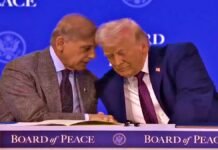
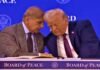
- Economic Redevelopment: Launching the “Board of Peace” to attract international investment and rebuild infrastructure.
The recent violence has cast a shadow over these efforts. Hamas spokesperson Basem Naim condemned the Saturday strikes as a “brutal crime” and a “flagrant violation” of the truce. He accused the Israeli government of acting as a “war council” intent on sabotaging the US,led diplomatic efforts.
Fragile Truce Under Immense Pressure
Since the ceasefire took effect on October 10, 2025, the Gaza Health Ministry has recorded at least 551 Palestinians killed by Israeli fire. While the US administration continues to insist that the ceasefire is holding, the frequency of these “retaliatory” strikes has led to near,daily casualties.
As of Saturday evening, a state of emergency has been declared in all remaining functional hospitals in Gaza. The international “Board of Peace,” headed by Trump and involving figures such as Tony Blair, now faces its most significant challenge yet in preventing a total collapse of the peace process and a return to full,scale war.