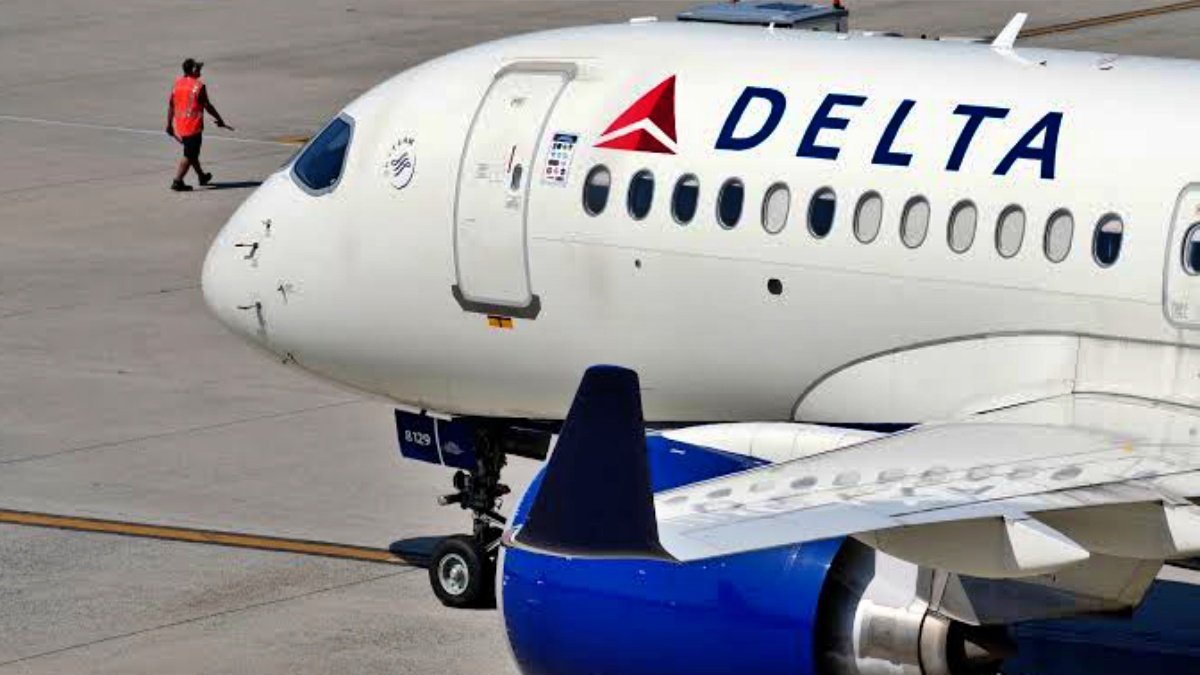
A technical failure in Delta Air Lines’ automated weight calculation system caused delays for approximately 2,000 flights across the United States during the busy Thanksgiving travel period.
Key Points
- System Failure: An automated computer system for calculating aircraft weight stopped working.
- Flight Impact: Approximately 2,000 Delta flights were delayed, with 3 per cent cancelled.
- Hub Disruptions: The Atlanta hub saw 58 per cent of departing flights delayed.
- Manual Workarounds: Delta teams used manual methods to clear flights while the system was being repaired.
- Safety Context: Maintaining weight and balance limits is a critical requirement for aircraft safety.
Technical Glitch Disrupts Thanksgiving Travel
NEW DELHI: Delta Air Lines faced significant operational hurdles as a technical glitch delayed around 2,000 flights across the United States ahead of the Thanksgiving travel season. The disruption primarily affected flights travelling to and from the airline’s major hub in Atlanta, where the majority of its operations are concentrated. The incident occurred during one of the busiest travel periods of the year, causing widespread logistical challenges for passengers.
According to a report by the Associated Press, the issue stemmed from a computer system designed to calculate the weight of aircraft. When the automated system failed, Delta teams were forced to employ manual methods to ensure flights could safely take off. While the airline confirmed the system was restored by the afternoon, flight schedules did not immediately return to normal. The airline stated it aimed to have all delayed flights in the air by the end of the day.
By Sunday evening, flight-tracking site FlightAware reported that 58 per cent of Delta’s flights were running late. The airline stated that approximately 70 per cent of these delays were directly linked to the automation fault, while the remaining disruptions were caused by adverse weather conditions. The airline began offering refunds for cancelled flights, rebooking customers, and providing assistance to passengers requiring meals or hotel accommodations.
Impact on Atlanta Hub and Passenger Services
The disruption was particularly severe at Hartsfield-Jackson Atlanta International Airport, which serves as a primary gateway for Delta. FlightAware data indicated that about 58 per cent of departing flights and 50 per cent of arriving flights were delayed. In response to the growing backlog, the Federal Aviation Administration (FAA) paused some flights into the Atlanta hub for approximately one hour on Sunday morning to manage the flow of traffic.
Delta clarified that the FAA’s intervention was not related to its own air traffic systems, but rather a response to the ground delays caused by the airline’s internal software issue. The airline expressed its apologies for the inconvenience caused by the technical failure. The situation highlights the vulnerability of major aviation hubs to localized technical errors, as a single system failure at a primary hub can ripple across a national network.
The airline’s move to provide hotel rooms and meals for stranded passengers underscores the scale of the disruption. As the travel season approaches its peak, such incidents can create significant backlogs that take days to fully resolve, even after the primary technical issue is rectified.
Safety Standards and Industry Context
The importance of the failed system is underscored by FAA documentation, which highlights that staying within an aircraft’s weight and balance limits is essential for flight safety. Exceeding these limits can cause structural damage to the aircraft or affect its aerodynamic stability. Because weight and balance are critical for every takeoff, the failure of the automated system necessitated a shift to manual verification, which is inherently slower and more labor-intensive for ground crews.
The situation comes at a time of increasing concern regarding technology reliability in critical infrastructure. Recent reports have noted a growing number of system outages affecting daily life in the United States. This incident follows a series of technology-related disruptions in the aviation sector, including a recent FAA network fault that caused a four-hour nationwide ground stop. Additionally, United Airlines recently experienced its own system outage, which also resulted in delayed departures.
As the aviation industry becomes increasingly reliant on automated software for safety and efficiency, these outages serve as a reminder of the risks associated with digital infrastructure. The recurring nature of these tech problems has prompted discussions regarding the resilience of the national transportation network during high-demand periods like the Thanksgiving holiday.