

































Key Points:
- Physical classes suspended for nursery to 5th grade until further notice
- All schools must conduct online classes for affected students
- Classes 6-9 and 11 to operate in hybrid mode
- Decision follows severe AQI levels in Delhi-NCR region
- Ghaziabad and Noida had issued similar orders a day earlier
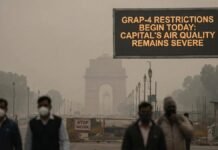
The rising pollution levels in Delhi-NCR are causing immense hardship for people, with toxic air now severely impacting children’s education. With pollution reaching severe levels in Delhi, the Education Department has ordered the closure of schools up to the fifth grade, with physical classes for students from nursery to class five remaining suspended until further notice across all government, government-aided, and private schools. Schools have been permitted to conduct online classes to ensure continuity of education during this environmental emergency.
Departmental Directive and Implementation
A senior official of the Education Department confirmed that the decision was taken considering the current AQI levels in Delhi, which have reached severe categories. All school principals have been instructed to ensure that classes are conducted in online mode for affected students and to immediately inform parents about these changes. All Deputy Directors of Education (DDEs) have been asked to visit schools in their respective jurisdictions to ensure smooth implementation of these instructions.
Regional Impact and Precedent
The Delhi order follows similar measures taken by neighboring districts, as Ghaziabad and Noida administrations had ordered online classes up to fifth grade a day earlier, with examinations also canceled. The order issued by the education departments of both districts mandated that all government and aided schools conduct classes from pre-nursery to class five entirely in online mode, while classes six to nine and class eleven operate in hybrid mode. This coordinated response across the NCR region highlights the severity of the pollution crisis affecting children’s health and education.
Health Concerns Drive Decision
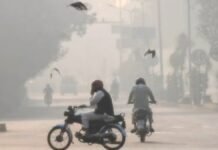
The toxic air quality poses serious health risks to young children, whose developing respiratory systems are particularly vulnerable to pollution exposure. The severe pollution levels have created hazardous conditions that make outdoor activities dangerous, forcing authorities to prioritize student safety over traditional classroom learning. The move reflects growing concern about the long-term health impacts of prolonged exposure to toxic air on schoolchildren in the capital region.
Alternative Learning Arrangements
While physical classes remain suspended, schools are expected to maintain academic continuity through online platforms and digital learning tools. The hybrid mode for higher classes will allow for reduced student density in schools, minimizing exposure while maintaining some face-to-face interaction. Educational institutions must now adapt their teaching methodologies to ensure effective learning delivery in this modified format until air quality improves to safer levels.