
































Key Points:
- Citizens can approach Supreme Court and High Courts at midnight during legal emergencies
- Priority to constitute maximum constitutional benches for pending petitions
- Strict time limits imposed on lawyers to prevent prolonged arguments
- Nine-judge bench being considered for religious freedom vs women’s rights conflicts
- Justice Suryakant delivered key judgments on Article 370, sedition law, and Pegasus case
- Became Chief Justice on November 24, 2025, term runs until February 9, 2027
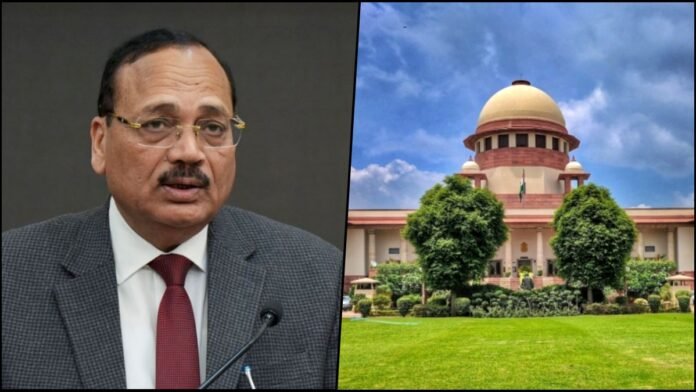
The Chief Justice of India has stated that if a citizen faces a legal emergency or is threatened with arrest late at night by investigative agencies, they will be able to seek a hearing from the constitutional courts even at midnight to protect their fundamental rights and freedoms. Chief Justice Suryakant said that his endeavor is to make the Supreme Court and High Courts people’s courts, where appeals can be made at any time, even after working hours, in cases of legal emergencies.
This revolutionary move aims to ensure that constitutional protections are not limited by court working hours, particularly in cases where investigative agencies might attempt to make arrests during late-night hours when legal recourse is typically unavailable. The initiative reflects a commitment to making justice accessible and immediate, rather than delayed by procedural constraints.
Constitutional Benches and Pending Petitions
He added that his priority is also to constitute as many constitutional benches as possible to deal with pending petitions. These petitions raise several important issues, such as the group of petitions challenging the validity of the Special Intensive Revision (SIR) of voter lists, which started in Bihar and is now ongoing in a dozen states.
The emphasis on constitutional benches addresses the growing backlog of cases involving significant constitutional questions that require interpretation by multiple judges. By constituting more such benches, the CJI aims to expedite resolution of matters that impact democratic processes and fundamental rights across the nation.
Strict Time Limits to Prevent Marathon Arguments
The Chief Justice of India also said that he will examine the feasibility of constituting a nine-judge bench to decide on petitions highlighting the conflict between religious freedom and women’s rights. Lawyers will no longer be able to argue important cases for days on end. The Chief Justice has decided to impose strict time limits for lawyers to complete their arguments.
There will never be another case like the one related to the dispute over the agreement between the Ambani brothers, in which lawyers argued in the Supreme Court for 26 days. The Chief Justice said that poor litigants should not only receive free legal aid but also receive equal court time for the hearing of their cases. This move ensures that judicial resources are used efficiently and that all litigants, regardless of their financial status, receive fair and timely hearings.
Major Judgments and Legacy
Justice Suryakant has delivered several impactful judgments during his tenure as a judge in the Supreme Court. Whether it was Article 370, the sedition law, or the Pegasus case, Justice Suryakant played a significant role in these decisions. He took the oath of office as Chief Justice of India on November 24, 2025. Justice Suryakant’s term will last until February 9, 2027.
His track record on landmark cases suggests that his tenure as CJI will likely be marked by significant judicial reforms and decisive verdicts on contentious constitutional matters. The initiatives announced indicate a proactive approach to judicial administration and access to justice.