






















Key points
- Petitioner has sought an urgent hearing in the Supreme Court on the IndiGo flight crisis.
- Lawyer is reaching Chief Justice Surya Kant’s residence so a special bench can be formed today.
- IndiGo cancelled all domestic flights from Delhi airport till midnight on December 5.
- CEO Pieter Elbers said December 5 was the “worst day”, with over 1,000 flights cancelled.
- Airline expects operations to move towards normal between December 10 and 15, with full stabilisation by February 10, 2026 as told to DGCA.
- DGCA and the Centre have already ordered high level inquiries and a four member technical committee into the disruption.
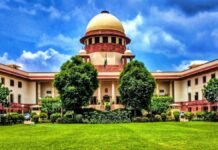
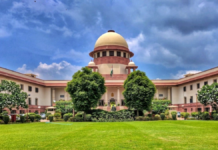
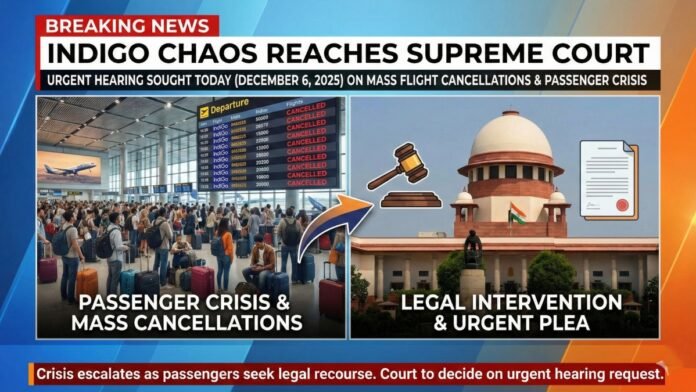
The ongoing IndiGo crisis has now reached the Supreme Court, where an urgent hearing has been demanded on the massive nationwide disruption in flights and the hardship faced by passengers. According to reports, Chief Justice of India Surya Kant has taken note of the matter and has called the petitioner’s lawyer to his residence so that a special bench can be constituted today itself and the case can be heard on priority.
The petition seeks immediate judicial intervention in what is being described as the most serious operational breakdown in IndiGo’s history, with thousands of passengers stranded, soaring airfares on other airlines, and sudden crowding on trains. All eyes are now on the Supreme Court, as its initial orders could decide how quickly relief measures are strengthened and what accountability is fixed on the airline, the regulator and the government.
How serious is the IndiGo crisis?
On Friday, IndiGo cancelled all its domestic departures from Delhi airport until 12 midnight, calling this the gravest situation the airline has ever faced. In a video message, IndiGo CEO Pieter Elbers admitted that December 5 was the “worst day” of the crisis, with more than 1,000 flights cancelled in a single day across the network.
The cancellations are linked to the airline’s inability to smoothly implement new Flight Duty Time Limitation rules for pilots, which sharply cut available crew and led to cascading disruptions through the day. IndiGo has told regulators that while it expects visible improvement between December 10 and 15, complete operational stabilisation is likely only by February 10, 2026, meaning passengers may continue to face disruptions for several weeks.
What the government is already doing
The Directorate General of Civil Aviation has set up a four member committee to examine why IndiGo’s internal planning failed so badly despite advance notice of the new pilot duty norms. The panel has been asked to report within 15 days on operational preparedness, crew forecasting, compliance planning and whether stricter regulatory enforcement or penalties are required.
Separately, the Civil Aviation Ministry has ordered a high level inquiry to “determine accountability” for the crisis and recommend measures so that passengers do not face such hardship again. The government has also temporarily relaxed parts of the new duty time rules and asked airlines to enhance transparency on delays and refunds, while other carriers and Indian Railways have been encouraged to add capacity to absorb stranded IndiGo passengers.
What options the Supreme Court and Centre have now
In such a nationwide disruption, the Supreme Court can, after hearing all sides, direct the Centre and DGCA to file detailed status reports, lay down immediate passenger relief measures, and set strict timelines for restoring normal operations. The Court can also ask the government to frame or enforce clear protocols on refunds, alternate travel, fare caps in emergencies and compensation for avoidable mismanagement, building on existing DGCA passenger rights rules.
On its part, the government already has the power to tighten regulatory oversight of IndiGo, mandate temporary schedule cuts to match available crew, cap last-minute fares on affected routes, and coordinate with other airlines and Railways to run additional services until the crisis eases. The combination of judicial scrutiny by the Supreme Court and executive action by the Aviation Ministry and DGCA is likely to determine how quickly the current chaos is brought under control and how such a collapse can be prevented in the future.