






























Key Highlights of the West Asia Escalation
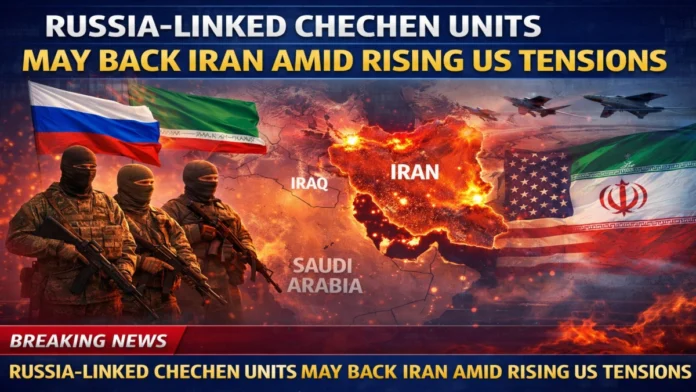
- Chechen Deployment: Akhmat units, led by General Apti Alaudinov, are poised to assist Iran in the event of a U.S. ground operation.
- Urban Warfare Focus: Chechen fighters, specialists in guerrilla tactics and close-quarters combat, aim to leverage Iran’s mountainous and urban terrain.
- Ideological Framing: Kadyrov’s forces have characterized the potential intervention as a religious mission, or “Jihad,” against U.S. and Israeli forces.
- Hybrid Warfare Strategy: Analysts view the move as a way for Russia to bolster Tehran without triggering a direct military confrontation between Moscow and Washington.
- Ukrainian Counter-Move: Amid the chaos, Ukraine has signed 10-year defense deals with Gulf nations, providing air defense expertise to counter Iranian drone strikes.
The fierce conflict that erupted on February 28, 2026, with the U.S. and Israeli strikes on Tehran, may be entering its most dangerous phase yet. As the Pentagon considers a potential “ground operation” to secure strategic locations such as Kharg Island, Chechen fighters, widely regarded as Russia’s most ruthless combatants, are preparing to enter the fray. According to reports from the Iranian state-run media outlet Press TV, these units have declared their readiness to deploy the moment U.S. forces set foot on Iranian soil.
Masters of Urban and Guerrilla Warfare
Chechen fighters are renowned for their ferocity and tactical flexibility. Specializing in guerrilla-style warfare, ambushes, and urban combat, they pose a significant threat to conventional ground forces. In early March 2026, Lieutenant General Apti Alaudinov, the commander of the Akhmat Special Forces, signaled that mobilization would begin as soon as orders were issued by the Kremlin. These veterans of the Ukraine conflict, who once challenged the Russian military in the 1990s, have since become some of President Putin’s most loyal and effective assets.
The Conflict Rebranded as ‘Jihad’
For the fighters loyal to Ramzan Kadyrov, the Head of Russia’s Chechen Republic, this mission is not merely a military contract. They have increasingly used religious and ideological rhetoric, describing the struggle against the U.S. and Israel as a “Jihad.” By positioning themselves as defenders of an ally against “Western aggression,” they aim to replicate the psychological pressure tactics they utilized in the earlier stages of the Ukraine war.
Russia’s Hybrid Strategy and the Ukrainian Factor
Strategic analysts suggest that the deployment of Chechen forces is a hallmark of Russia’s “hybrid warfare” doctrine. This approach allows Moscow to provide significant support to its ally, Iran, while maintaining a degree of plausible deniability to avoid a direct superpower clash.
The situation is further complicated by the arrival of Ukrainian expertise in the region. President Volodymyr Zelensky recently concluded a tour of Saudi Arabia, Qatar, and the UAE, signing long-term defense partnerships. Ukrainian specialists are currently assisting Gulf nations in countering the very same drone and missile technologies that Iran has supplied to Russia, effectively turning West Asia into a new front for the broader global struggle.
The Pentagon’s Looming Decision
As the Trump administration suggests the war “may be over in two or three weeks,” the threat of a Chechen intervention complicates U.S. planning. If these fighters take up positions within Iran’s rugged interior and densely populated cities, any U.S. ground advancement could transform into a prolonged and bloody urban campaign. While the U.S. continues its aerial campaign, nicknamed “Operation Epic Fury,” the arrival of the Akhmat units could fundamentally alter the cost of a ground-based victory.