



























Key Points
- Income tax standard deduction may increase from ₹50,000 to ₹75,000-₹1 lakh under new regime
- Tax-free income limit could rise above ₹7 lakh, Section 80C limit may increase to ₹2 lakh
- PM Garib Kalyan Anna Yojana likely to continue with ₹2 lakh crore allocation
- Home loan interest exemption (Section 24b) may increase from ₹2 lakh to ₹3 lakh for first-time buyers
- Make in India 2.0 expected to create 5 million jobs through new manufacturing hubs
- Ayushman Bharat expansion to include middle-class senior citizens above 70 years
- Fiscal deficit target likely to be reduced from 5.9% to 5.6% of GDP
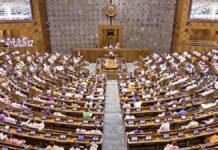
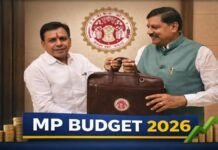
As February approaches, the entire nation’s attention is focused on the Modi government’s upcoming budget, which will be presented by Finance Minister Nirmala Sitharaman on February 1, 2026. The 2026 budget comes at a time when the middle class is grappling with inflation hovering around 5.5%, and young people are searching for new employment opportunities in a challenging economic environment. Experts believe that this year’s budget could focus on ‘inclusive growth’ and provide relief to the middle class while balancing fiscal prudence with populist expectations in this election cycle.
Income Tax: Expected Changes in Tax Slabs
For the common man, the biggest attraction of the budget is income tax relief. The middle class hopes that the government might increase the standard deduction limit from ₹50,000 to ₹75,000 or ₹1 lakh to make the ‘new tax regime’ more attractive, which has seen only 30% adoption since its introduction. There is also a strong possibility of increasing the tax-free income limit of ₹7 lakh to ₹7.5 lakh or ₹8 lakh, so that people have more disposable income. Tax experts from EY India suggest that Section 80C limits may also be raised from ₹1.5 lakh to ₹2 lakh to encourage savings and investments.
Curbing Inflation and Subsidized Ration
Given the rising food prices, particularly vegetables and pulses, which have seen 15-20% inflation, the government may continue to allocate significant funds for the PM Garib Kalyan Anna Yojana. Major announcements regarding subsidies on LPG cylinders, currently priced at ₹803, and fertilizers are also expected to provide relief to the rural and urban poor. The government is likely to extend the free ration scheme for another six months, benefiting over 80 crore people with an allocation exceeding ₹2 lakh crore.
Will the Dream of ‘Owning a Home’ Come True?
To boost the real estate sector and provide affordable housing to the general public, the budget for the PM Awas Yojana may be increased by 25% to ₹80,000 crore. There is a demand to increase the tax exemption limit on home loan interest (Section 24b) from ₹2 lakh to ₹3 lakh, which would provide significant relief to first-time homebuyers in urban areas where property prices have risen 10-12% annually. The real estate sector, which contributes 7% to GDP, is expecting stimulus measures to clear inventory overhang in major metros.
Employment and Skill Development for Youth
The government’s main focus in the 2026 budget may be on ‘job creation’ as youth unemployment remains around 23% for the 15-29 age group. Announcements regarding tax holidays for startups for five years and the creation of new manufacturing hubs under ‘Make in India 2.0’ are expected, targeting 5 million new jobs in electronics, EV components, and semiconductors. In addition, more funds may be allocated to the National Apprenticeship Training Scheme, with the target of training 10 lakh apprentices annually. The PLI scheme may be expanded to include toys, furniture, and footwear sectors.
Investment in Health and Education
Since the COVID-19 pandemic, the health budget has seen a consistent increase of 10-15% annually. It is expected that the scope of the Ayushman Bharat scheme will be expanded this time, potentially including middle-class senior citizens above 70 years who currently lack coverage. The health budget may cross ₹1 lakh crore for the first time. In the education sector, the focus will be on digital universities and AI learning, with ₹10,000 crore allocated for AI research centers in IITs and digital infrastructure for 500 universities under the National Education Policy implementation.
The Government’s Big Challenge
It is worth noting that the 2026 budget will be a balancing act for the government. On one hand, controlling the fiscal deficit, which is targeted at 5.6% of GDP for 2025-26, down from 5.9% in the current year. On the other hand, meeting the expectations of the general public ahead of crucial state elections. Global rating agencies like Moody’s and S&P are closely watching India’s fiscal consolidation path. If the government can strike the right balance between tax relief and infrastructure spending, this budget will prove to be a significant step towards a ‘developed India’ by 2047, though it may require creative accounting and PSU dividend payouts to meet targets.