






























Key Points:
- First bird flu case confirmed in Greater Tokyo area at Saitama poultry farm
- Approximately 240,000 chickens being culled at Ranzan Town farm
- 12th outbreak this season, following 11 previous cases nationwide
- Neighboring Chiba and Kanagawa prefectures placed on high alert
- Epidemiological team investigating virus source and wild bird transmission
- Over 3.65 million chickens culled nationwide so far this season
- WHO warns of human transmission risks, though rare
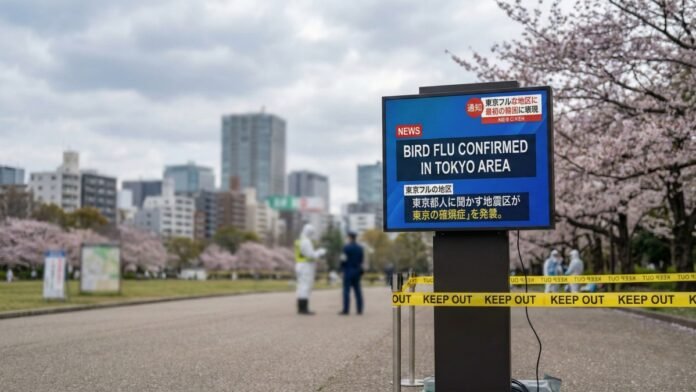
The Ministry of Agriculture confirmed on Tuesday that a highly pathogenic H5 strain of avian influenza infected a large-scale poultry farm in Ranzan Town, Saitama Prefecture, located approximately 50 kilometers north of central Tokyo. This marks the first time this season the virus has penetrated the Greater Tokyo metropolitan area, home to over 37 million people. The farm, which housed nearly a quarter-million birds, immediately triggered the highest-level emergency response protocols.
Officials have sealed off the affected facility and established a 10-kilometer radius surveillance zone around the farm. The culling operation, which began within hours of confirmation, involves specialized teams in protective equipment humanely euthanizing all chickens before safely burying the carcasses in designated biosecure sites. The process is expected to take three to four days to complete, with workers following strict decontamination procedures to prevent viral spread.
Regional Alert and Preventive Measures
In response to the Saitama case, authorities have issued emergency alerts to poultry farmers in neighboring Chiba and Kanagawa prefectures, both part of the Greater Tokyo region. These alerts require enhanced biosecurity measures, including restricted access to farms, mandatory disinfection of vehicles and equipment, and daily reporting of any unusual bird mortality.
The Ministry of Agriculture has dispatched a specialized epidemiological investigation team to Ranzan Town to trace the virus’s origin. Preliminary assessments suggest wild migratory birds, which are natural carriers of avian influenza, may have transmitted the virus to the farm through contaminated droppings or feed. The team is collecting samples from nearby water bodies and wild bird populations to confirm transmission pathways. All poultry farms across Japan have been instructed to implement maximum hygiene protocols and report any suspicious deaths within 24 hours.
Seasonal Impact and Economic Concerns
The current bird flu season, which typically runs from autumn through spring, has proven particularly severe. The 12 confirmed cases have resulted in the culling of approximately 3.89 million chickens nationwide, including the latest Saitama operation. This substantial reduction in poultry stock has already caused wholesale egg prices to increase by 15-20% in major cities, with further price hikes anticipated.
Industry analysts warn that if the virus continues spreading toward major production centers, Japan could face its most significant poultry crisis since the 2020-2021 season, when over 10 million birds were culled. Supermarket chains have begun limiting egg purchases per customer in some regions, and restaurant associations report rising operational costs. The government is considering emergency egg imports from approved countries to stabilize supply.
Human Health Risks and Global Context
The World Health Organization emphasizes that while avian influenza primarily affects birds, human infections can occur through direct contact with infected poultry, contaminated surfaces, or inhaling viral particles. Human-to-human transmission remains extremely rare, but the mortality rate among confirmed human cases exceeds 50%, significantly higher than that of seasonal influenza.
Symptoms in humans typically appear within 2 to 17 days after exposure and include high fever above 38°C, severe cough, muscle aches, and breathing difficulties. In severe cases, the virus causes acute pneumonia, respiratory failure, and multi-organ complications. The WHO has advised residents in affected prefectures to avoid contact with dead or sick birds, keep children away from poultry areas, and ensure all chicken and eggs are cooked thoroughly to an internal temperature of 74°C before consumption.
Japan’s first human bird flu case occurred in 1997, and sporadic infections have been reported since, though none have resulted in sustained human transmission. The current outbreak strain matches viruses circulating in wild bird populations across East Asia, consistent with migratory patterns from Siberian breeding grounds.
Government Response and Future Preparedness
Prime Minister’s Office has convened an emergency task force to coordinate the national response, allocating an additional ¥5 billion for biosecurity enhancements and farmer compensation. The government guarantees full reimbursement for culled birds at market rates to encourage rapid reporting of suspected cases. Officials are also accelerating the deployment of rapid testing kits to regional veterinary laboratories to reduce confirmation times from 48 hours to 12 hours.
Looking ahead, the Ministry of Agriculture is reviewing long-term strategies to modernize poultry farm infrastructure, including mandatory enclosed housing systems and automated disinfection equipment. Experts warn that climate change and altered migratory patterns may increase future outbreak frequency, requiring sustained investment in preventive measures and international cooperation on avian influenza surveillance.