





























Key Highlights of the Incident
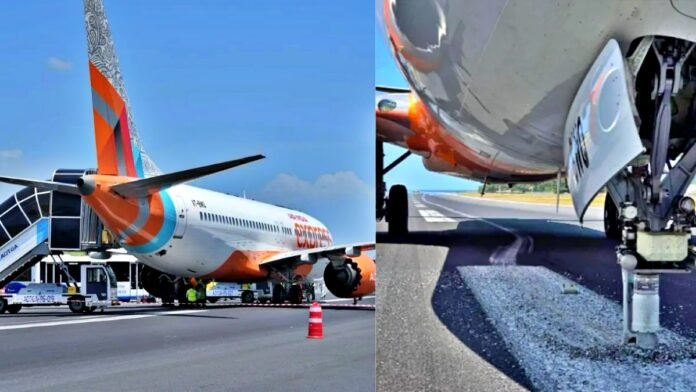
- Technical Failure: Flight IX938 suffered a collapsed nose landing gear after a forceful touchdown on Runway 09, with both nose wheels reportedly detaching upon impact.
- Passenger Safety: All 133 passengers, including two infants, and seven crew members were safely evacuated without any injuries reported.
- Airport Crisis: The incident forced the immediate closure of Phuket’s runway for nearly ten hours, disrupting over 120 flights and diverting incoming aircraft to Krabi and Surat Thani.
- Boeing 737 MAX 8 Scrutiny: The aircraft, registration VT, BWQ, is a modern jet that was already under global observation, though this specific incident involved a mechanical landing gear failure.
- Immediate Investigation: India’s Directorate General of Civil Aviation (DGCA) and Thai authorities have launched a probe, noting the nose wheels were replaced as part of routine maintenance just three days prior.
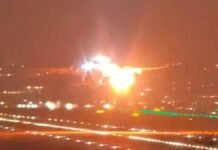
On the morning of Wednesday, March 11, 2026, Air India Express flight IX938 departed from Hyderabad’s Rajiv Gandhi International Airport at 6:42 AM. The flight arrived in Phuket ahead of schedule at 11:24 AM local time, but the landing quickly turned into a crisis. According to eyewitness reports and surfacing social media footage, the aircraft made an abrupt, hard touchdown and bounced before the nose landing gear gave way.
The impact was severe enough to snap the front wheels, leaving the aircraft tilted and stranded on the runway. This immediate blockage forced Phuket International Airport (HKT) to issue an emergency “Notice to Airmen” (NOTAM), suspending all operations. While the runway was initially expected to reopen by 6:00 PM, the complexity of moving the disabled Boeing 737 MAX 8 pushed the reopening back to 9:00 PM local time.
Landing Video –
— Sachin Gupta (@SachinGuptaUP) March 11, 2026
अगले पहिए के बिना दौड़ रहा एयर इंडिया एक्सप्रेस का विमान !! https://t.co/5OTgzB8Gd1 pic.twitter.com/9QU83S5gbG
Airline and Authorities Respond
In an official statement, Air India Express confirmed the “nose wheel issue” and praised the crew for following standard safety protocols during the emergency evacuation. “We thank our guests, the Phuket airport authorities, and all stakeholders for their cooperation,” a spokesperson stated. The airline also confirmed that despite the dramatic nature of the landing, no physical injuries were sustained by anyone on board.
The DGCA in India is taking the matter seriously. A senior official confirmed that the aircraft had undergone wheel replacement on March 8, just 72 hours before the accident. Investigators will now examine whether the maintenance work, pilot error during the “rough touchdown,” or a mechanical defect in the landing gear assembly was the primary cause of the failure.
Travel Disruption and Regional Impact
The closure of Phuket’s only runway caused a massive travel backlog during the peak tourist season. With Phuket being a major international hub, over 100 flights were delayed or cancelled, and thousands of travelers were left stranded in the terminal. Airlines such as Bangkok Airways and Nok Air issued urgent delay notices, while international carriers were forced to divert to neighboring provinces.
While the physical damage to the aircraft is significant, the successful evacuation has been credited to the swift response of Phuket’s emergency teams, who secured the site within minutes of the crash landing.