
































Key Points
- Air India flight AI101 Delhi-New York grounded after engine ingests baggage container
- Incident occurred during taxiing in dense fog at Delhi Airport
- Aircraft had returned due to Iranian airspace closure impacting route
- Right engine damaged, airline confirms foreign object encounter
- No injuries reported, passengers accommodated on alternative flights
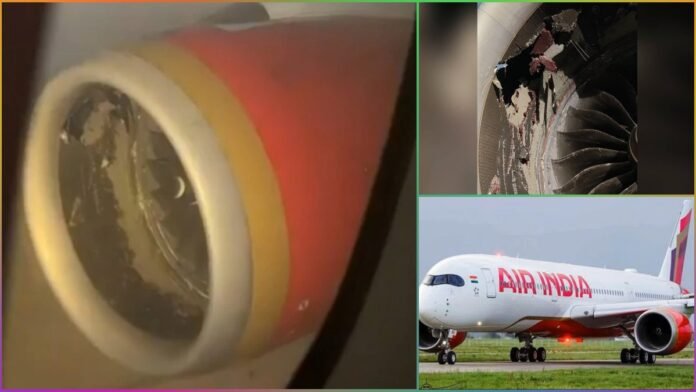
The Airbus A350, operating as flight AI101, experienced the mishap early Thursday morning while maneuvering on the tarmac in extremely low visibility conditions. An Air India spokesperson confirmed that the aircraft, which had returned to Delhi shortly after takeoff due to the unexpected closure of Iranian airspace, encountered a baggage container that had been left improperly secured near the taxiway. The right engine sucked in the container, causing substantial damage to fan blades and internal components.
“Air India confirms that Flight AI101, operating from Delhi to New York (JFK), was forced to return to Delhi shortly after takeoff due to the unexpected closure of Iranian airspace, which impacted its planned route. Upon landing in Delhi, the aircraft encountered a foreign object while taxiing in dense fog, resulting in damage to the right engine,” the spokesperson stated. The airline has launched an internal investigation into how ground handling procedures failed to prevent the container from entering the active taxiway area.
Iranian Airspace Closure Disruption
The flight’s initial return to Delhi stemmed from Iran’s sudden airspace shutdown, which has disrupted numerous international routes between India and North America. Flight AI101 had departed Delhi at 2:30 AM IST and was approximately 90 minutes into its journey when Iranian authorities announced the indefinite closure, forcing the crew to abort the transatlantic crossing. The aircraft returned to Delhi around 5:45 AM, carrying 312 passengers and 16 crew members.
This incident highlights the cascading effects of geopolitical tensions on aviation safety, as the returned aircraft created congestion at Delhi Airport, which was already experiencing operational challenges due to dense winter fog reducing visibility to less than 50 meters. The combination of increased traffic from rerouted flights and poor weather conditions contributed to the ground handling error.
Passenger Accommodation and Safety Measures
All passengers and crew members were safely deplaned and accommodated in airport lounges while Air India arranged alternative travel options. The airline transferred most passengers to later flights AI103 and AI105, which operate via alternative European routes avoiding Iranian airspace. Some business class passengers were rebooked on partner airlines through Frankfurt and Paris.
Air India has waived change fees and fare differences for affected passengers, offering full refunds to those who chose to cancel their travel plans. The airline’s safety team conducted immediate inspections of other aircraft in the vicinity and reinforced ground handling protocols to prevent similar incidents during the ongoing fog season.
Aircraft Inspection and Repair Timeline
The damaged A350, registration VT-JRA, has been grounded for a comprehensive inspection by Air India’s engineering team and Airbus technical representatives. Initial assessments suggest the engine will require complete replacement, a process that could take 2-3 weeks and cost approximately $8-10 million. The aircraft, one of Air India’s newest A350s delivered in 2024, will remain out of service until full airworthiness certification is restored.
Delhi Airport authorities have also initiated a separate investigation into ground handling procedures, focusing on how baggage containers were left unsecured near active taxiways during low-visibility operations. The airport has seen a 40% increase in ground traffic due to flights returning from Iranian airspace closures, straining normal safety protocols.
Broader Operational Impact
This incident adds to the challenges facing Indian aviation amid the Iranian airspace crisis, which has already caused significant disruptions and financial losses. Air India has canceled 15 long-haul flights this week alone, while other Indian carriers are rerouting services through longer, more expensive paths. The engine damage incident demonstrates how geopolitical tensions can create secondary safety risks through increased operational complexity and congestion at hub airports.
Aviation safety experts have called for enhanced ground safety measures during periods of abnormal traffic patterns, recommending that airports implement additional safety checks when visibility drops below 100 meters. The Directorate General of Civil Aviation has issued a safety directive to all Indian airports to review ground handling procedures during the ongoing fog season and airspace disruption period.