Key Points
- Immediate Release: Sonam Wangchuk was released from Jodhpur Central Jail on March 14, 2026, after serving nearly half of his detention period.
- Legal Context: The revocation comes as the Supreme Court was actively hearing a habeas corpus petition challenging the legality of his detention.
- Restoring Order: The Ministry of Home Affairs cited the need to foster “mutual trust” and a peaceful atmosphere for constructive dialogue with Ladakh stakeholders.
- Economic Impact: Continuous protests and bandhs in the region have severely disrupted Ladakh’s tourism-based economy and affected students and local businesses.
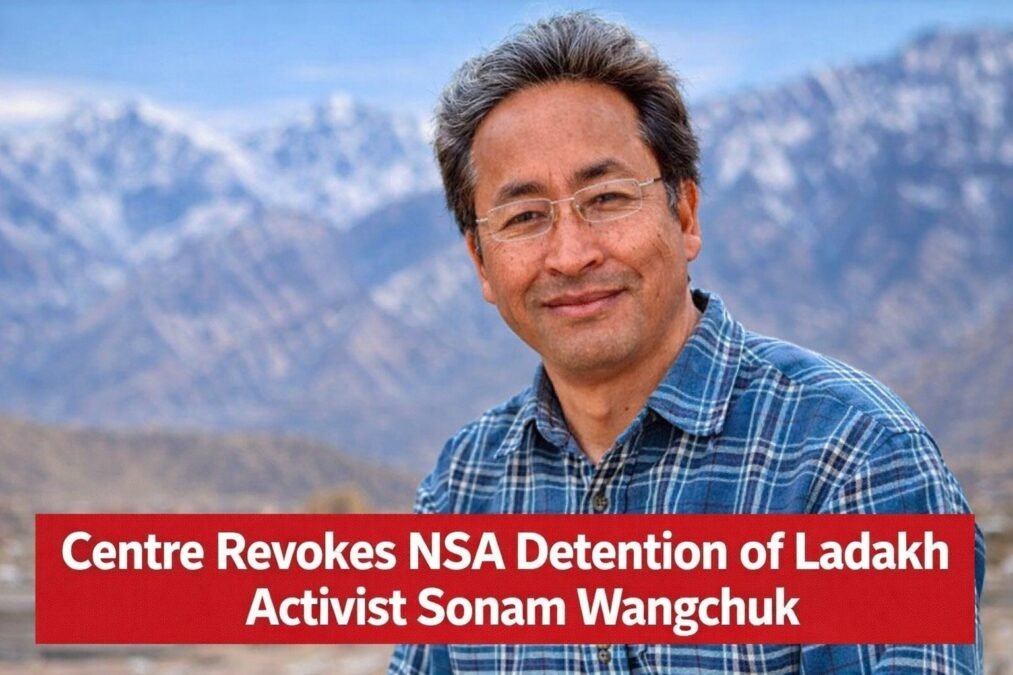
In a significant move aimed at de-escalating tensions in the Union Territory of Ladakh, the Central Government has revoked the detention of social activist and engineer Sonam Wangchuk with immediate effect. The official statement, issued on March 14, 2026, marks the end of a controversial period of preventive custody for the climate activist, who had been held under the National Security Act (NSA) since September 26, 2025.
Wangchuk was originally taken into custody following a sharp deterioration in the law and order situation in Leh on September 24, 2025. Authorities at the time alleged that his actions and speeches had incited violence that resulted in the tragic deaths of four people and left more than 150 others injured. After spending approximately 170 days in Jodhpur Jail, Wangchuk is now set to return to Ladakh, having completed nearly half of the maximum detention period permitted under the Act.
A Shift Toward Dialogue and Stability
The Ministry of Home Affairs (MHA) emphasized that the decision to terminate the detention was taken after “due deliberation” to facilitate a return to normalcy. The government noted that while it has been engaging with various community leaders, the prevailing atmosphere of shutdowns and protests has been detrimental to the region’s peace-loving character.
“The government remains committed to fostering an environment of peace, stability, and mutual trust in Ladakh,” the statement read. The MHA further observed that the cycle of unrest has had a punishing effect on Ladakh’s economy, particularly impacting students, job seekers, and those dependent on the vital tourism sector. By releasing Wangchuk, the Centre hopes to clear the path for the High Powered Committee and other platforms to resolve regional issues through cooperation rather than agitation.
Background: The 2025 Leh Unrest
The roots of the crisis lie in the intensifying demands for statehood and the inclusion of Ladakh under the Sixth Schedule of the Constitution. Tensions peaked in late 2025, leading to the violent clashes in Leh that prompted the District Magistrate to issue the NSA order.
During the detention period, Wangchuk’s legal team and his wife, Dr. Gitanjali Angmo, challenged the arrest in the Supreme Court. The court had recently questioned whether the activist’s social media presence and public addresses could legitimately be linked to the violence, observing that the administration might have been “reading too much” into his rhetoric. The Centre, however, had maintained that the detention was a necessary precautionary measure to prevent further secessionist sentiment in a sensitive border region.
As Ladakh looks toward a fragile peace, the government reiterated that it will continue to implement all necessary measures for the security of the region while remaining hopeful that a lasting resolution can be reached through the existing mechanisms of constructive engagement.