
































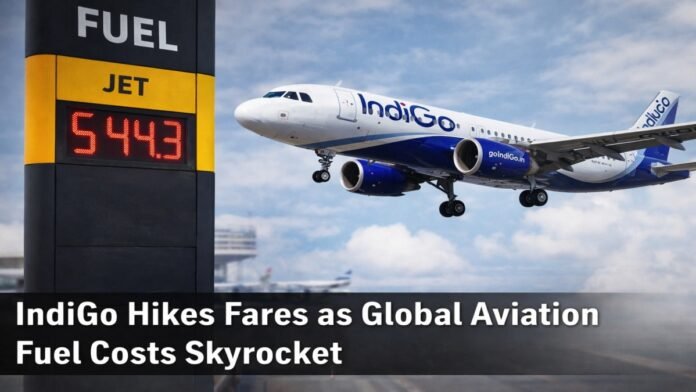
Key Points
- Fuel surcharges ranging from ₹425 to ₹2,300 will apply to all new bookings made from midnight tonight.
- Domestic flights and short-haul regional trips will see an immediate increase of ₹425 per ticket.
- Long-haul international routes, particularly to Europe, will face the steepest hike of ₹2,300.
- Aviation Turbine Fuel (ATF) prices have soared by over 85% since the onset of the regional conflict.
- The move follows similar surcharge implementations by major competitors Air India and Air India Express.
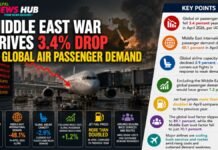
The intensifying geopolitical conflict in the Middle East has moved from a regional security threat to a direct financial burden for Indian travelers. IndiGo, India’s largest carrier by market share, officially announced a multi-tier fuel charge structure to counter the unprecedented volatility in energy markets. According to recent data from the IATA Jet Fuel Monitor, Aviation Turbine Fuel (ATF) prices have spiked by more than 85% over the past two weeks, a direct result of supply chain disruptions in the Persian Gulf.
For an industry that operates on razor-thin margins, the surge is critical. ATF typically accounts for nearly 40% of an airline’s total operational expenses in India. With global crude prices hovering near record highs, the airline stated that maintaining current fare levels has become unsustainable without risking operational continuity.
New Fare Structure Effective March 14
The surcharge, which goes into effect at 12:01 AM on March 14, 2026, is scaled based on flight distance and destination. Passengers will see the following additions to their base fares:
- Domestic & Neighboring Regions: Flights within India and to countries in the Indian subcontinent, including Nepal, Bhutan, Bangladesh, Sri Lanka, and the Maldives, will incur a flat charge of ₹425.
- Middle East: Travel to regional hubs will see an increase of ₹900.
- Extended International: Routes to Southeast Asia, China, Africa, and West Asia will face a surcharge of ₹1,800.
- Long-Haul: Flights to European destinations will be hit the hardest, with a surcharge of ₹2,300 per ticket.
Market-Wide Impact and Airline Justification
IndiGo’s move is not an isolated incident but part of a broader industry trend. Following the lead of the Air India group, including Air India Express, most major carriers in the Indian market are now adjusting their pricing models to stay afloat during this energy crunch.
In an official statement, IndiGo emphasized that while they aimed to keep the burden on travelers minimal, the severity of the ATF price hike left no other option. Industry analysts suggest that if the conflict in the Middle East persists and oil prices continue their upward trajectory, even these “modest” surcharges may need to be revised upward in the coming weeks. For now, travelers are advised to book as early as possible to lock in rates before further market adjustments occur.