

































Key Highlights
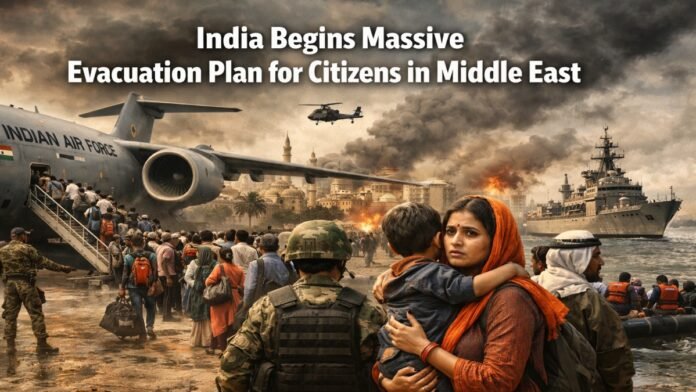
- Massive Scale: India is coordinating the safe return of approximately 41,000 citizens from Israel and 10,000 from Iran.
- Alternative Routes: Evacuation paths through Jordan and Egypt are being finalized due to the closure of the Strait of Hormuz and regional airspace restrictions.
- Diplomatic Strategy: External Affairs Minister S. Jaishankar is engaging in “shuttle diplomacy” with counterparts in Tehran, Tel Aviv, and Washington.
- Emergency Infrastructure: 24/7 helplines and satellite-monitored safe zones have been established for the Indian diaspora.
- Operational Model: The mission is modeled after “Operation Ganga,” the successful 2022 evacuation of Indian students from Ukraine.
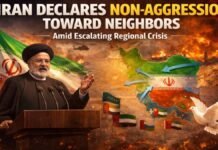
As the Middle East teeters on the edge of a continental conflict, the Government of India has activated its emergency evacuation protocols. India’s Ambassador to Israel, J.P. Singh, confirmed on Sunday, March 1, 2026, that comprehensive plans are now in place to extract thousands of Indians caught in the crossfire between Israel and the Iranian-led “Axis of Resistance.” This follows the seismic announcement of the death of Ayatollah Ali Khamenei and the IRGC’s subsequent blockade of the Strait of Hormuz.
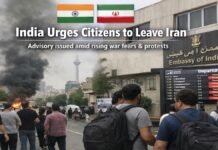
The Indian Embassy in Tel Aviv has issued a stern advisory to the 41,000-strong Indian community in Israel, urging them to remain in designated “safe zones” and familiarize themselves with local bomb shelter locations. With commercial flight operations at major hubs like Dubai and Doha facing significant disruptions, New Delhi is looking at unconventional land and sea corridors.
The Logistics of Extraction
Ambassador Singh highlighted that the traditional air-bridge remains compromised due to volatile airspace. Consequently, India is exploring evacuation via Jordan or Egypt. “We are prioritizing the most practical and secure routes, whether by road to Amman or by sea through Mediterranean ports,” Singh stated. These land journeys, however, present their own risks, and the Indian government is reportedly negotiating “humanitarian corridors” with regional powers to ensure convoys are not targeted by aerial strikes or retaliatory missile fire.
The situation is equally critical in Iran, where roughly 10,000 Indian students and professionals are currently under 40 days of national mourning and heightened military alert. The Indian Embassy in Tehran is maintaining hourly contact with student groups, advising them to stay indoors as the Iranian military prepares for potential further escalations.
High-Stakes Diplomacy
In New Delhi, External Affairs Minister S. Jaishankar has taken a central role in de-escalating the crisis to protect Indian interests. Jaishankar has held urgent telephonic briefings with the Foreign Ministers of Iran and Israel, as well as with the US Secretary of State, Antony Blinken. India’s stance remains firm, calling for “maximum restraint” and a return to the path of dialogue.
“The territorial integrity of all nations must be respected,” Jaishankar noted in a recent statement, reflecting India’s concern that a total collapse of regional order would catastrophically impact the 9 million Indians living and working across the Gulf. The safety of these citizens is not just a humanitarian issue but a national security priority for the Modi administration.
Economic and Travel Disruptions
The conflict has already sent ripples through India’s domestic economy. With the suspension of flight operations at Dubai International Airport, thousands of Indian travelers are currently stranded at various transit points. The Ministry of Civil Aviation is working with Air India and the Indian Air Force to prepare “C-17 Globemaster” transport aircraft for potential heavy-lift evacuation missions, similar to those seen during the 2021 Kabul airlift and the 2022 Ukraine crisis.
As of Sunday morning, oil prices have continued to climb, putting additional pressure on the Indian government to secure its citizens before a full-scale energy and transport lockdown takes hold. The coming 48 hours are viewed as critical for the first wave of evacuations to begin.