


































Key Takeaways
- Election Mandate: The Bangladesh Nationalist Party (BNP) secured a historic majority in the 2026 elections, solidifying Tarique Rahman’s leadership.
- Extradition Push: The BNP has officially called on New Delhi to return Sheikh Hasina to face pending criminal charges and a death sentence.
- Diplomatic Stance: While seeking “equal” relations with India, the BNP insists that the judicial process against the former Prime Minister is non-negotiable.
- India’s Dilemma: New Delhi faces a complex diplomatic challenge as it balances ties with the new government against its long-standing relationship with Hasina.
The political landscape of South Asia has shifted dramatically following the 2026 Bangladesh General Elections. The Bangladesh Nationalist Party (BNP), under the guidance of Tarique Rahman, has moved into an aggressive “action mode” after registering a historic and landslide victory. With a clear mandate from the electorate, the party’s first major diplomatic move has been to reiterate its most significant demand to the Indian government.
The BNP has formally urged India to extradite ousted Prime Minister Sheikh Hasina as soon as possible. The party intends for her to stand trial in Bangladeshi courts for a series of cases that have accumulated since she departed from power.
Legal Foundations and Party Position
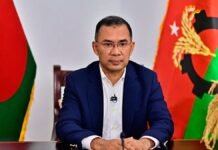
Salahuddin Ahmed, a prominent member of the BNP Standing Committee, clarified that the party’s stance remains unwavering. According to Ahmed, the Bangladeshi Foreign Ministry has already initiated the formal extradition process, a move the BNP fully endorses. The party maintains that accountability is a prerequisite for national healing, asserting that Sheikh Hasina must face the legal consequences of her tenure.
While the BNP expressed a desire for stable and productive relations with all neighboring countries, including India, it emphasized that such ties must be built on a “basis of equality.” Ahmed stressed that while diplomacy is vital, the integrity of the judicial process cannot be sacrificed for political convenience.
Background: Allegations and Exile
Sheikh Hasina’s fall from power began in August 2024, when widespread student-led protests forced her to abdicate and seek refuge in India. Since then, she has resided at an undisclosed, high-security location in Delhi. The legal situation in Dhaka has escalated significantly in her absence, a special tribunal in Bangladesh recently sentenced her to death, prosecuting her for alleged crimes against humanity.
From her exile in India, Hasina has remained vocal, dismissing the 2026 election process as a “sham” and characterizing the legal actions against her as politically motivated conspiracies. She has expressed a willingness to return to Bangladesh, but only under the condition of an impartial judiciary and the resignation of interim figures like Muhammad Yunus.
A Diplomatic Tightrope for New Delhi
The BNP’s resounding victory and subsequent demands present a significant hurdle for India’s Ministry of External Affairs. While New Delhi has extended formal congratulations to Tarique Rahman on his electoral success, the presence of Sheikh Hasina on Indian soil remains a friction point.
India has previously stated that any extradition request is being examined strictly according to established legal procedures and treaties. The Indian government continues to maintain that it is committed to peace, stability, and the democratic process in Bangladesh, though the “Hasina factor” will undoubtedly test the resilience of bilateral relations in the coming months.
As the BNP prepares to form its government with an absolute majority, the fate of the former Prime Minister has transitioned from a domestic legal issue to a central pillar of South Asian geopolitics.