
































Key Highlights of the Strike
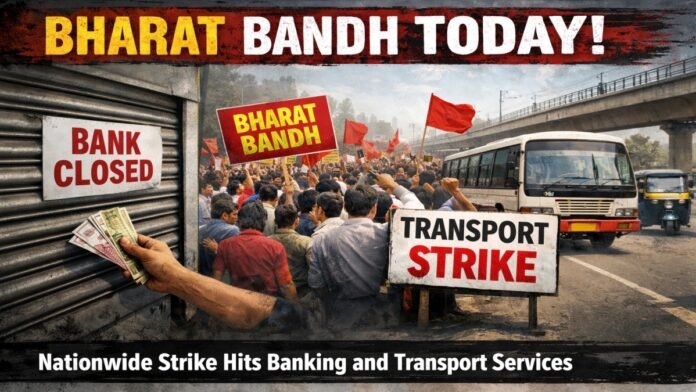
- Mass Participation: Over 300 million workers across 600 districts are expected to participate, according to union leaders.
- Banking Disruptions: Public sector bank operations, including cheque clearances and branch services, face significant delays.
- Trade Deal Backlash: Farmers, led by the Samyukta Kisan Morcha (SKM), are protesting the India-US trade deal signed last week.
- Core Demands: Protesters seek the repeal of four labor codes and the restoration of the Old Pension Scheme (OPS).
- Regional Impact: Kerala, Odisha, Assam, and West Bengal are seeing the most widespread shutdowns.
- Essential Services: Hospitals, ambulances, and pharmacies remain exempt from the strike.
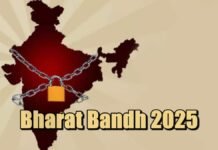
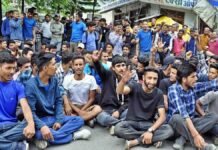
Today’s Bharat Bandh marks one of the largest coordinated industrial actions in recent years. Organized by a joint platform of ten central trade unions, including AITUC, CITU, and INTUC, the strike has gained massive momentum with the support of the Samyukta Kisan Morcha, representing hundreds of farmer organizations.
The primary trigger for the labor unions is the implementation of four new labor codes. Union leaders argue that these codes, which replaced 29 existing laws, significantly weaken job security and make “hire and fire” policies easier for corporations. Amarjeet Kaur, General Secretary of the All India Trade Union Congress (AITUC), noted that the scale of this movement surpasses the July 2025 protests, where 250 million workers took to the streets.
Farmers Oppose India-US Trade Framework
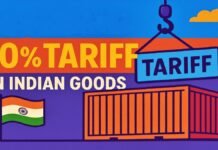
A major addition to this year’s strike is the intense opposition from the agricultural sector regarding the India-US interim trade agreement. SKM Convener Hannan Mollah has characterized the deal as a “betrayal,” claiming that the reduction of tariffs on American agricultural products, such as red sorghum and dried distillers’ grains (DDGs), will flood Indian markets with cheap imports. Farmers fear that the influx of genetically modified (GM) crops under the new framework will undermine domestic prices and food sovereignty.
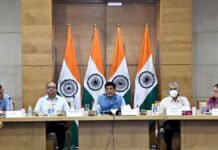
While Commerce Minister Piyush Goyal has defended the agreement, calling it a historic step for the economy, farmer groups remain unconvinced, demanding an immediate withdrawal of the framework along with the Draft Seed Bill and the Electricity Amendment Bill.
Service Disruptions and Public Safety
Public life has been noticeably affected in several states. State-run transport services in Kerala and Odisha have come to a near standstill, while several schools and colleges in Karnataka and West Bengal have declared a holiday to avoid travel disruptions.
Banking services are among the hardest hit. While the Reserve Bank of India (RBI) has not declared a holiday, major unions like the AIBEA and BEFI have joined the strike. This has led to limited operations at public sector bank branches, though online banking and most ATMs remain functional.
The Government’s Stance and Essential Exemptions
In response to the strike, the Central Government has deployed additional security forces to maintain law and order and ensure that public property is protected. Authorities have reiterated that while the right to protest is recognized, essential services must not be obstructed.
To minimize the impact on the general public, several sectors have been excluded from the shutdown:
- Healthcare: Emergency rooms, ambulances, and pharmacies are fully operational.
- Utilities: Water and electricity services continue without interruption.
- Long-distance Travel: Train services and airports are functioning, though travelers are advised to reach hubs early due to potential road blockades or “chakka jams” in urban centers.
The protesters have also demanded the repeal of the Viksit Bharat – Guarantee for Rozgar and Ajeevika Mission (Gramin) Act, 2025, which replaced MGNREGA. While the new Act increases guaranteed work to 125 days, unions are critical of its 60-day mandatory pause during harvest seasons and the shift toward a more centralized funding model.