



























Key Points:
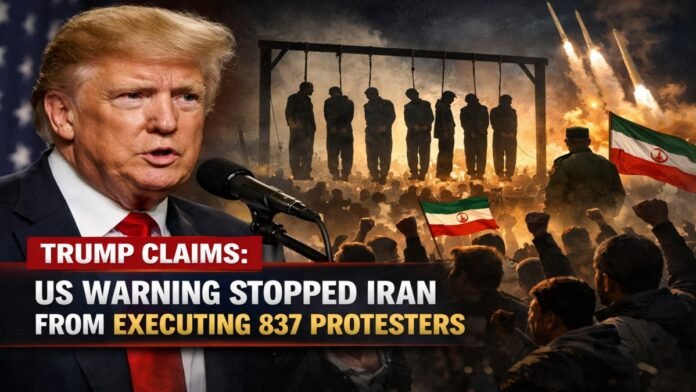
- Trump stated Iran backed down from hanging 837 protesters after US warned of “very bad day”
- President shared private messages from France’s Macron and NATO’s Rutte discussing Greenland de-escalation
- Questioned whether NATO allies would defend America under Article 5, despite claiming “nobody’s done more for NATO”
- Formally invited Pakistan Prime Minister Shehbaz Sharif to join Gaza “Board of Peace” reconstruction initiative
- Described European leaders as cordial in person but harsh behind his back, specifically citing Macron and UK’s Starmer
President Trump made a bold assertion about his contributions to NATO, stating, “Nobody’s done more for NATO than I have”. However, he simultaneously questioned the foundational principle of mutual defense, asking whether member states would reciprocate and assist the US if America helps NATO in the future. The president’s ambiguous stance on Article 5, which mandates collective defense among members, has created uncertainty about the US commitment to the alliance. At the June 2025 NATO summit in The Hague, Trump secured commitments for members to allocate 5% of GDP to defense budgets, though the agreement allowed 1.5% to be directed toward infrastructure and civilian resilience.
Iran Warned Over Mass Executions
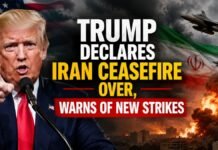
Trump revealed that US intervention prevented Iran from executing 837 protesters, stating, “They were going to hang 837 people, and we let them know that if that happens, that will be a very bad day for them”. According to the president, Tehran reversed course following the warning and “didn’t hang the people”. While acknowledging the executions have been taken off the table for now, Trump declined to rule out military action against Iran in the future, keeping the option open and maintaining pressure on the regime. The warning came amid demonstrations over economic deterioration and currency depreciation in Iran.
Greenland and Panama Canal Ambitions Escalate
When questioned about acquiring Greenland, Trump responded cryptically that the world would learn about his plans in due course. In a provocative move, the president posted private text messages on social media from French President Emmanuel Macron and NATO Secretary-General Mark Rutte discussing efforts to de-escalate tensions surrounding Greenland. The leaked communications showed European leaders attempting crisis diplomacy, which Trump dismissed publicly, undermining their negotiating position. Regarding the Panama Canal, Trump did not rule out future action, maintaining his stance that control over these strategic locations serves US national security interests.
European Leaders’ Relationships Under Scrutiny
Trump made candid observations about his personal relationships with key European leaders, stating that France’s Macron and Britain’s Starmer “treat me very well and cordially in person” despite being “a little harsh behind my back”. The president characterized both leaders as liberal and suggested they should “get their countries in order”. His decision to publish private communications from Macron and Rutte about Greenland negotiations marks a departure from traditional diplomatic protocols, potentially damaging trust among allies. Trump also expressed diminished respect for Norway, claiming the Norwegian government controls the Nobel Prize.
Pakistan Receives Gaza Board Invitation
In a diplomatic surprise, Trump formally invited Pakistan Prime Minister Shehbaz Sharif to join the Gaza “Board of Peace,” a key element of the administration’s broader Gaza roadmap. Pakistan’s Foreign Office confirmed the invitation, stating the prime minister received it directly from the US president. The board, which Trump chairs, includes US Secretary of State Marco Rubio, former British Prime Minister Tony Blair, and Trump’s son-in-law Jared Kushner, among other senior international figures. The initiative aims to oversee Gaza’s stabilization, reconstruction, and long-term governance capacity-building.
Global Tensions Rise as Allies Question US Strategy
As Trump completes his first year in office, many countries have become increasingly worried about unpredictable US foreign policy shifts. His decisions have pushed not only America’s adversaries but also close allies toward an uncertain future. European nations find themselves in “full crisis mode” regarding Trump’s Greenland ambitions, while the public release of private diplomatic communications has undermined confidential negotiations. The messages conveyed in the anniversary press conference indicate that significant and unpredictable changes can be expected in global politics, with traditional alliances facing new strains as the administration pursues its “America First” agenda through unconventional diplomatic methods.