

































Key Points:
- DGCA rejects further extensions for five Boeing 737 aircraft from Turkey’s Corendon Airlines
- Hard deadline set for March 31, 2026, with no exceptions under sunset clause
- IndiGo had committed to receiving new A321-XLR aircraft by February 2026
- Diplomatic friction with Turkey over its past support for Pakistan influences decision
- IndiGo operates seven Turkish planes among its 15 foreign leased aircraft
- Hundreds of flights and thousands of passengers could be affected if replacements don’t arrive
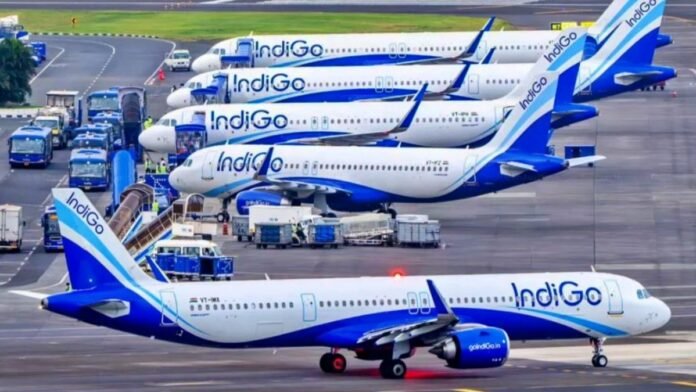
India’s aviation regulator has drawn a firm line in the sand, delivering a clear “no” to IndiGo’s request for further extensions on its Turkish aircraft leases. The Directorate General of Civil Aviation (DGCA) issued a formal order on Monday stating that five narrow-body Boeing 737 aircraft leased from Turkey’s Corendon Airlines must cease operations by March 31, 2026. The order includes an unprecedented sunset clause, explicitly stating that no extensions will be granted under any circumstances beyond this date, leaving no room for negotiation.
The regulator’s strict stance stems from IndiGo’s own written undertaking submitted earlier this year. The airline had promised regulators it would receive delivery of its new long-range Airbus A321-XLR aircraft by February 2026, which formed the basis for its previous extension request. However, with that deadline now looming and potential delays in aircraft deliveries, IndiGo finds itself caught in a regulatory trap of its own making.
Diplomatic Undercurrents Shape Aviation Policy
While technical commitments dominate the official narrative, industry insiders suggest that diplomatic relations between New Delhi and Ankara are playing a significant behind-the-scenes role. Turkey’s historical alignment with Pakistan and its criticism of India’s cross-border operations against terrorist camps have created persistent friction in bilateral ties. In May 2025, when the DGCA granted a three-month extension, sources reveal that officials explicitly warned IndiGo against seeking further extensions, hinting at broader geopolitical considerations.
The current order reflects a hardening of this stance. Aviation ministry officials, speaking on condition of anonymity, indicated that India is increasingly reluctant to extend commercial favors to Turkish entities while diplomatic differences remain unresolved. This marks a shift from purely technical regulation toward a more strategic approach to aviation policy.
IndiGo’s Operational Predicament Deepens
The timing of this decision could not be worse for IndiGo, which has been battling fleet shortages for months. The airline currently operates 15 foreign aircraft on wet lease arrangements, which include crew and maintenance support. Seven of these aircraft hail from Turkish operators, making Turkey IndiGo’s largest foreign leasing partner. These planes serve as a critical stop-gap measure, deployed when engine issues ground IndiGo’s own aircraft or when new deliveries face delays from manufacturers.
Recent data shows that IndiGo canceled over 1,200 flights in November 2025 alone, citing capacity constraints. The airline’s CEO, Pieter Elbers, recently sent an emotional message to employees declaring that “the bad times are over” and promising smoother operations ahead. However, the DGCA’s order has instantly resurrected uncertainty, with analysts questioning how IndiGo will bridge the capacity gap if the promised A321-XLR aircraft fail to materialize by February.
Ripple Effects Across the Aviation Sector
IndiGo is not the only carrier feeling the heat. SpiceJet operates 17 foreign-leased aircraft under similar arrangements, and industry watchers fear the DGCA may apply the same strict standards across the board. In August 2025, the regulator granted a conditional extension for two Boeing 777 aircraft until February 2026, but the current order signals a broader crackdown on what the DGCA views as over-dependence on foreign leased capacity.
The policy shift could reshape India’s aviation landscape. Airlines may need to accelerate indigenous capacity expansion or seek leasing partners from friendlier nations. Japan, Ireland, and the UAE have emerged as potential alternatives, though reconfiguring leases takes months and involves complex negotiations.
What Lies Ahead for India’s Largest Airline
With the March 31 deadline now set in stone, IndiGo faces a race against time. The airline has 28 A321-XLR aircraft on order, but Airbus has indicated potential delivery delays of 4-6 weeks due to supply chain disruptions. If the new planes don’t arrive by February, IndiGo will need to find alternative solutions quickly, possibly by activating dry leases from European carriers or redeploying existing aircraft more aggressively.
Passengers should brace for potential disruptions on key routes, particularly those connecting tier-2 cities where the Turkish aircraft were primarily deployed. The DGCA has promised to monitor the situation closely, but for now, the message is clear: the Turkish chapter in IndiGo’s fleet story is approaching its final page.