Key Points
- Three cyclonic circulations trigger heavy rainfall across South Indian states
- Tamil Nadu’s Pamban records 5 cm rainfall in 24 hours, more expected
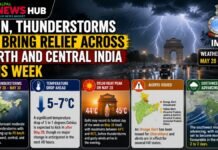
- Cold wave grips Central India with temperatures dropping to 7.4°C in Madhya Pradesh
- Western disturbance causes sharp temperature decline across North and Central regions
- 17 districts in Madhya Pradesh under cold wave warning
- Uttarakhand hill stations experience frost, temperatures below 5°C
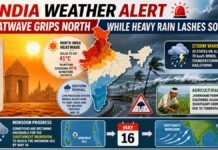
New Delhi: The southern peninsula is experiencing a significant weather transformation as three active upper air cyclonic circulations, extending from the Bay of Bengal to the Comorin region and Southern Bangladesh, are fueling widespread precipitation across multiple states. The India Meteorological Department has forecast sustained rainfall activity that will persist through November 19, affecting millions of residents across the region.
Tamil Nadu, Kerala, coastal Andhra Pradesh, Yanam, and Rayalaseema are expected to receive light to moderate rainfall with isolated heavy spells between November 16 and 19. The coastal district of Ramanathapuram in Tamil Nadu has already recorded 5 centimeters of rainfall within 24 hours, serving as an indicator of the intense precipitation system moving across the region. This sudden weather shift has caught many residents off guard, as the monsoon withdrawal season typically brings drier conditions to South India.
Thunderstorm and Lightning Warnings Issued
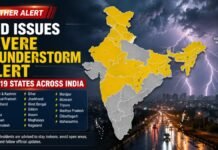
The IMD has issued specific warnings for thunderstorms accompanied by lightning activity in Tamil Nadu, coastal Andhra Pradesh, and Kerala on November 16 and 17. Meteorological experts warn that these electrical storms pose significant risks to public safety, particularly in rural and agricultural areas where people work in open fields.
Authorities have advised residents to take precautionary measures during inclement weather conditions. Citizens should avoid seeking shelter under trees, staying in open spaces, or using electronic devices outdoors during thunderstorms. Farmers working in fields have been urged to suspend agricultural activities during peak storm hours, typically in the afternoon and early evening when atmospheric instability is highest.
The cyclonic circulation patterns are also creating favorable conditions for rough sea conditions along the eastern coast, prompting fishermen advisories against venturing into deep sea areas. Coastal communities have been placed on alert for potential storm surges and high waves that could affect low-lying regions.
Central India Experiences Severe Cold Wave
A dramatic temperature plunge has gripped Central India as a powerful western disturbance sweeps across the region, bringing unseasonably cold conditions that have caught residents unprepared. The India Meteorological Department has issued cold wave to severe cold wave warnings for western Madhya Pradesh, with effects persisting in eastern Madhya Pradesh and Chhattisgarh until November 16.
Rajgarh in Madhya Pradesh and Ambikapur in Chhattisgarh have recorded minimum temperatures of 7.4 degrees Celsius, marking the lowest readings of the season so far and representing a significant departure from normal temperature ranges for mid-November. These bone-chilling conditions have arrived nearly a month earlier than typical seasonal patterns, disrupting daily life and creating health concerns, particularly for vulnerable populations including children, elderly citizens, and those with respiratory conditions.
The meteorological department forecasts that temperatures will remain stable over the next few days across most of Central India, though North Central Maharashtra may experience an additional drop of two to three degrees Celsius. This prolonged cold spell is attributed to the interaction between the western disturbance and prevailing northwesterly winds that are channeling frigid air from snow-covered Himalayan regions.
Uttar Pradesh Faces Intensifying Cold Conditions
Cold weather is gradually tightening its grip across Uttar Pradesh, with both western and eastern regions of India’s most populous state receiving cold wave warnings for November 15 and 16. The state’s meteorological department has noted that minimum temperatures have been consistently falling below normal levels, creating uncomfortable conditions during early morning and late evening hours.
Light fog formation has been observed in several districts during morning hours, reducing visibility and affecting road transportation. Commuters traveling during dawn hours have been advised to exercise caution and use fog lights while driving. The weather department predicts clear skies from November 17 through November 20, though nighttime temperatures will continue to drop, making evenings progressively colder.
Health officials have issued advisories for residents to wear warm clothing, particularly during early morning hours when temperatures are at their lowest. Schools in some districts have adjusted their opening times to protect young students from exposure to harsh cold conditions during their commute.
Bihar Experiences Premature Winter Chill
Bihar is experiencing an unusual early onset of winter conditions, with cold weather arriving nearly a month ahead of its typical seasonal timeline. Night temperatures have plummeted to 11 degrees Celsius across numerous districts, creating discomfort for residents unaccustomed to such early cold spells.
The meteorological department has forecast further temperature declines over the next 72 hours in 15 districts, including the state capital Patna, along with Gaya, Rohtas, Bhojpur, and Buxar. Other districts across the state are also expected to witness gradual temperature drops in the coming days as northwesterly winds continue to flow from snow-covered regions of Jammu and Kashmir and Himachal Pradesh.
The premature winter conditions have particularly affected agricultural activities, with farmers concerned about potential impacts on standing crops. Authorities have advised farmers to take protective measures for sensitive crops vulnerable to sudden temperature drops.
Himalayan States Battle Frost and Plummeting Temperatures
Uttarakhand’s mountainous regions are experiencing rapidly intensifying cold conditions, with frost formation beginning in higher altitude areas. The Meteorological Department predicts dry weather will persist for several days, but morning and evening temperatures will continue to decline, creating challenging conditions for residents and tourists alike.
Temperature readings in elevated regions have dropped below 5 degrees Celsius, marking the establishment of true winter conditions in the Himalayan belt. Popular hill stations and remote villages are witnessing the year’s first significant cold spell, compelling residents to rely heavily on heating arrangements and warm clothing.
Dehradun, the state capital located in the foothills, is also experiencing uncomfortable cold morning and evening winds. These chilly northwesterly winds originate from recent snowfall events in Jammu and Kashmir and Himachal Pradesh, carrying frigid air masses across the northern plains. Meteorologists predict night temperatures will decline further by 1-2 degrees Celsius in the coming days, extending the cold wave’s impact across the entire state.
Record-Breaking Cold in Madhya Pradesh
Winter has arrived with unprecedented intensity in Madhya Pradesh, breaking temperature records despite being in the early stages of the season. The morning cold has become so severe that conditions resemble late December rather than mid-November, disrupting daily routines and catching residents unprepared.
The India Meteorological Department has issued cold wave warnings for 17 districts across the state: Bhopal, Rajgarh, Indore, Sehore, Dewas, Shajapur, Shivpuri, Satna, Shahdol, Umaria, Katni, Jabalpur, Panna, Chhatarpur, Tikamgarh, Niwari, and Maihar. These districts are experiencing significantly below-normal temperatures, with minimum readings dropping to levels typically associated with the peak winter month of January.
Authorities have advised residents to exercise special caution during morning hours and late evenings when temperatures are at their lowest. Health advisories recommend wearing layered warm clothing, avoiding unnecessary outdoor exposure during extreme cold hours, and ensuring adequate heating arrangements at home. Homeless populations and daily wage workers are particularly vulnerable to these harsh conditions, prompting local administrations to establish night shelters and distribute blankets in affected districts.
Weather Outlook and Preparedness Measures
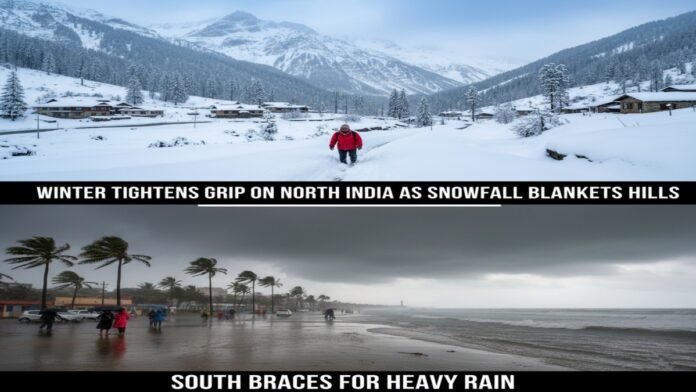
The contrasting weather patterns across India highlight the country’s diverse climatic conditions and the importance of regional weather monitoring. While South India prepares for continued rainfall and potential flooding in low-lying areas, North and Central regions are implementing cold wave management protocols to protect public health and safety.
Meteorological experts attribute these extreme weather patterns to complex interactions between various atmospheric systems, including cyclonic circulations over the Bay of Bengal, western disturbances affecting northern regions, and cold air masses descending from the Himalayas. Climate scientists note that such pronounced weather contrasts within the same season are becoming increasingly common, necessitating enhanced forecasting capabilities and public awareness campaigns.
Citizens across affected regions are advised to stay updated with the latest weather forecasts, follow official advisories, and take appropriate precautions based on their local conditions. Emergency services remain on alert to respond to weather-related incidents, while agricultural departments are monitoring potential impacts on crops and livestock across both rainfall-affected and cold wave-impacted regions.