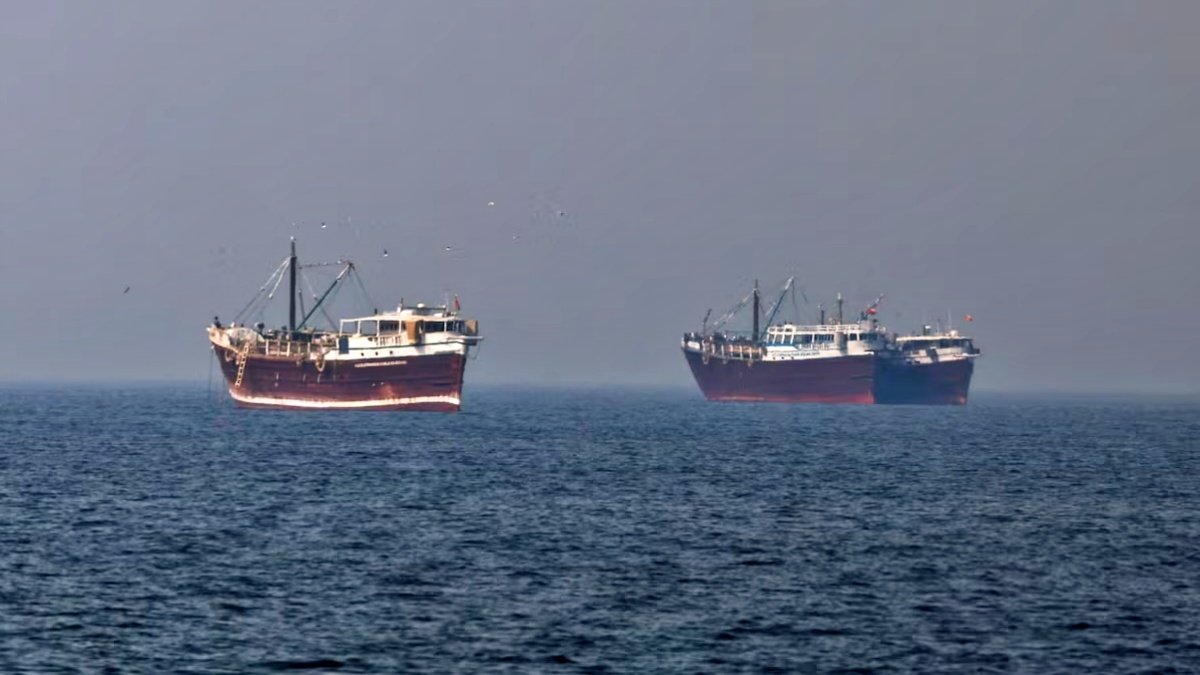
Iran reported seven oil tankers were damaged or caught fire in the Strait of Hormuz overnight, marking a significant escalation in regional tensions.
Key Points
- Incident Details: Seven oil tankers were damaged or caught fire in the Strait of Hormuz overnight.
- Iranian Claims: The Revolutionary Guard’s navy stated four tankers were targeted, while three hit naval mines.
- Regional Tensions: Iran warned against U.S. attempts to use ‘illegal passages’ for oil transit, threatening expanded military action.
- Historical Context: This could be the largest single-day vessel damage since the Iran war began in February 2026.
TEHRAN: Iran’s state television reported that seven oil tankers were either struck by attacks or hit naval mines in the Strait of Hormuz overnight, marking a significant escalation in regional tensions. If verified, it would be the largest single-day number of vessels damaged in the waterway since the Iran war began on February 28, when the United States launched joint strikes against Iran.
The Revolutionary Guard’s navy claimed that four of the tankers were transferring oil when they were targeted and caught fire. Another three were damaged and immobilised when they hit naval mines. However, the report did not provide details about possible casualties or the flags of the tankers.
The Iranian statement also warned that any U.S. attempts to allow the transit of oil tankers through ‘illegal passages’ in the strait may expand the Revolutionary Guard’s reaction to include U.S. bases in the region. This follows the Revolutionary Guard’s routine targeting of U.S. bases in Gulf countries since the war began.
Regional Tensions and International Reactions
The incident has raised concerns about the potential for an all-out war in the region, as reported by The Globe and Mail. However, no official statements have been made by other nations or international organizations regarding the claims.
The claim of seven damaged tankers has been echoed by several international media outlets, including the Hampshire Chronicle and Westmorland Gazette. However, these reports have not yet been independently verified by international maritime authorities or neutral observers.
Iran’s Revolutionary Guard has a history of targeting U.S. military assets in the region, particularly following the start of the Iran war in February 2026. The threat to expand military actions to include U.S. bases is a continuation of this pattern, according to Rudaw.
Historical Context and Implications
The Strait of Hormuz is a critical global oil transit route, with approximately 20% of the world’s seaborne oil passing through it daily. Any disruption to this waterway could have significant economic and geopolitical consequences.
This incident, if confirmed, would be the largest single-day vessel damage since the war began. The initial U.S.-led strikes on February 28, 2026, marked the start of hostilities between Iran and the United States. Since then, the region has seen a series of military engagements, including attacks on U.S. bases and skirmishes in the Gulf.
The potential for further escalation is a major concern for international actors. The United States and its allies have been closely monitoring the situation, while Iran continues to assert its control over the Strait of Hormuz as a strategic asset.