
































Key Points
- Audit Scope: The Directorate General of Civil Aviation (DGCA) audited 754 aircraft between January 2025 and February 3, 2026, identifying 377 with repetitive issues.
- Carrier Data: Air India faced the most scrutiny, with recurring defects found in 137 of its 166 inspected planes, a rate of roughly 82%.
- IndiGo Statistics: India’s largest carrier saw repetitive problems in 148 out of 405 aircraft analyzed, meaning every third plane was flagged.
- Safety vs. Maintenance: Officials clarified that many defects involve non-critical “Category D” items, such as broken seats or non-functional entertainment screens, rather than engine or flight-control failures.
- Heightened Scrutiny: The audit follows the tragic January 28, 2026, plane crash in Baramati that killed Maharashtra Deputy CM Ajit Pawar, fueling public anxiety over aviation standards.
Public confidence in Indian aviation has reached a critical juncture following the devastating aircraft accident in Baramati on January 28, 2026, which claimed the life of Maharashtra Deputy Chief Minister Ajit Pawar. Amidst this atmosphere of heightened fear, a new report presented to the Lok Sabha has provided a sobering look at the state of airline maintenance in the country.
The Ministry of Civil Aviation revealed that a comprehensive audit conducted by the DGCA found repetitive technical or operational defects in 50% of the aircraft analyzed across all scheduled airlines. Between January 2025 and early February 2026, the regulator examined 754 aircraft, flagging 377 of them for issues that recurred despite previous maintenance attempts.

Airline-Specific Breakdowns: Air India and IndiGo
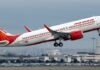
The data indicates that the Air India Group, currently undergoing a massive fleet modernization, faces the most persistent maintenance challenges. Of the 166 Air India aircraft analyzed, a staggering 137 were identified with recurring defects. This translates to more than eight out of every ten aircraft in their primary fleet showing repetitive snags. For the group’s low-cost arm, Air India Express, 54 out of 101 aircraft were flagged.
IndiGo, which operates the largest fleet in India, also showed significant gaps. Out of 405 aircraft inspected, 148 were found to have recurring issues. Other carriers were not immune, with SpiceJet reporting defects in 16 of 43 analyzed aircraft and Akasa Air reporting 14 defects out of 32 inspected planes.
Defining “Recurring Defects”
Government officials and aviation experts have sought to distinguish between critical safety failures and passenger experience issues. Many of the flagged defects fall under “Category D” of the Minimum Equipment List (MEL), which includes broken seat handles, cracked meal trays, or faulty in-flight entertainment screens. While these do not compromise the airworthiness of the flight, they indicate a significant lag in routine cabin maintenance.
However, aviation experts like Captain Mohan Ranganathan have pointed out that “recurring” status implies that the root cause of a problem, even a mechanical one, is not being permanently fixed. In 2025, the DGCA intensified its oversight to address these gaps, conducting 3,890 surveillance inspections, 56 regulatory audits, and 550 night surveillance checks to ensure that airlines are not cutting corners on technical upkeep.
Strengthening Regulatory Oversight
In response to the audit findings and the recent tragedies, the government has informed Parliament that the DGCA is undergoing a major structural expansion. The number of sanctioned technical posts has been increased to 1,063, up from 637 in 2022, to ensure more frequent and rigorous spot checks. Additionally, the mandatory use of the eGCA portal for all surveillance activities since July 2025 has created a transparent digital trail for every identified deficiency and its subsequent closure.
While the number of technical snags has technically decreased from 448 in 2023 to 353 in 2025, the persistence of repetitive issues remains a primary focus for the Ministry. The government maintains that no aircraft is permitted to fly if it poses an immediate safety risk, though the high percentage of defective aircraft continues to weigh heavily on passenger sentiment.