






























Key Points
- Diwali inscribed on UNESCO Intangible Cultural Heritage list at Delhi conference
- Foreign Minister S. Jaishankar calls it recognition of India’s cultural values
- Festival symbolizes victory of light over darkness, knowledge over ignorance
- India now has 16 UNESCO heritage elements, including Kumbh Mela and yoga
- Recognition strengthens India’s soft power and cultural diplomacy globally
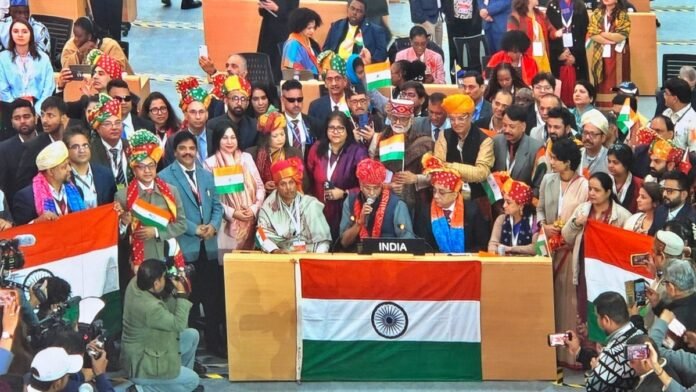
In a landmark moment for India’s cultural diplomacy, UNESCO officially inscribed Diwali on its Representative List of the Intangible Cultural Heritage of Humanity during a special conference held at the iconic Red Fort in Delhi on Wednesday. The announcement triggered nationwide celebrations and marked a significant milestone in the global recognition of Indian traditions, bringing the total number of India’s UNESCO-listed heritage elements to 16.
Symbolism and Global Celebration
Diwali transcends being merely a festival, it represents the eternal triumph of light over darkness, knowledge over ignorance, and good over evil. Millions of people across India and the global Indian diaspora celebrate it with unparalleled enthusiasm, spiritual fervour, and social harmony. The five-day festival involves lighting diyas, exchanging sweets, performing puja, and strengthening community bonds.
UNESCO’s recognition marks a new milestone in the expansion and acceptance of Indian cultural values worldwide. The inscription process involved extensive documentation of Diwali’s rituals, traditions, and social functions, demonstrating how the festival fosters community cohesion, intergenerational bonding, and spiritual renewal. This global acknowledgement positions Diwali alongside other major world festivals recognised by UNESCO, enhancing its status as a universal cultural phenomenon.
India’s Growing UNESCO Heritage Portfolio
Diwali becomes the 16th Indian cultural element to join UNESCO’s Intangible Cultural Heritage list, reinforcing India’s position as one of the most culturally rich nations recognised by the global body. The existing 15 elements showcase India’s diverse cultural tapestry:
Festivals and Gatherings: The Kumbh Mela, the world’s largest peaceful congregation, and Kolkata’s Durga Puja, known for its artistic excellence and community participation.
Performing Arts: Gujarat’s Garba dance, a vibrant devotional performance; Ramlila, the traditional theatrical enactment of the Ramayana; and Kutiyattam, the ancient Sanskrit theatre tradition from Kerala.
Spiritual Practices: Yoga, India’s gift to global wellness; Vedic chanting, the oral tradition of sacred hymns; and Buddhist chanting of Ladakh.
Craftsmanship: Traditional brass and copper utensil making, and the iconic Nawabi-era craft of making chikankari from Lucknow.
Social Practices: The festival of Holi, recently inscribed in 2024, and Nowruz, the Parsi New Year celebration.
Other Traditions: Sankirtana, the ritual singing and dancing from Manipur, and the traditional knowledge systems of various tribal communities.
Cultural and Economic Implications
The UNESCO inscription carries significant implications beyond cultural pride. It provides international protection and recognition to Diwali’s traditional practices, potentially boosting cultural tourism and strengthening India’s soft power globally. The recognition may also help preserve traditional crafts associated with Diwali, such as diya making, rangoli creation, and sweet preparation techniques that have been passed down through generations.
Cultural organisations across India have welcomed the decision, viewing it as validation of their efforts to document and preserve festival traditions. The Ministry of Culture had prepared an extensive nomination dossier over two years, working with scholars, community leaders, and cultural institutions to demonstrate Diwali’s outstanding universal value.
Global Context and Future Prospects
The inscription ceremony at the Red Fort held special significance, as it was the first time UNESCO conducted such a conference at a World Heritage site in India. This decision reflects India’s growing influence in UNESCO and its commitment to preserving intangible heritage. The event was attended by UNESCO Director-General Audrey Azoulay’s representatives, Indian cultural officials, and diplomats from member states.
Looking ahead, India is preparing nominations for several other cultural practices, including the traditional art of temple architecture, various folk music traditions, and indigenous agricultural practices. The success with Diwali demonstrates India’s capability to present its cultural heritage effectively on the global stage, potentially paving the way for more inscriptions in the coming years.